First Student Cohort Produces 11 Solutions Across 8 SDGs
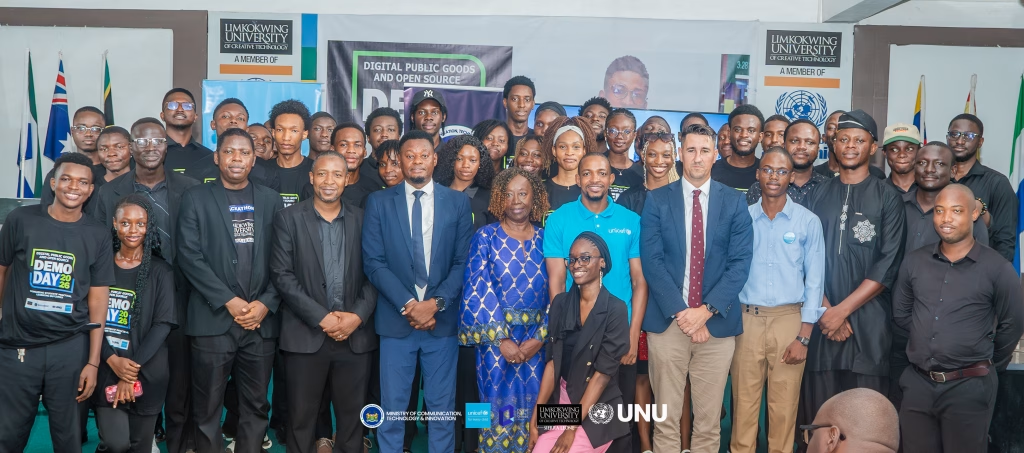
Representatives from the Ministry of Communication, Technology and Innovation (MoCTI), UNICEF, UNU-MERIT and Limkokwing University of Creative Technology with students following the Digital Public Goods (DPG) in Academia End-of-Semester Exhibition in Freetown.
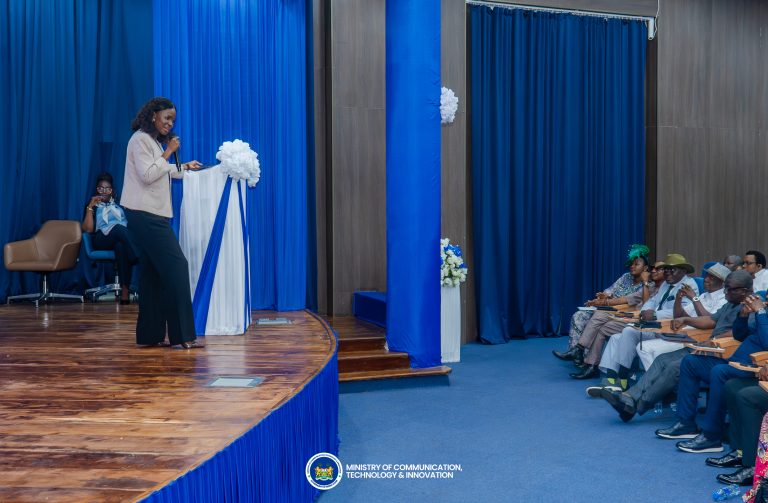
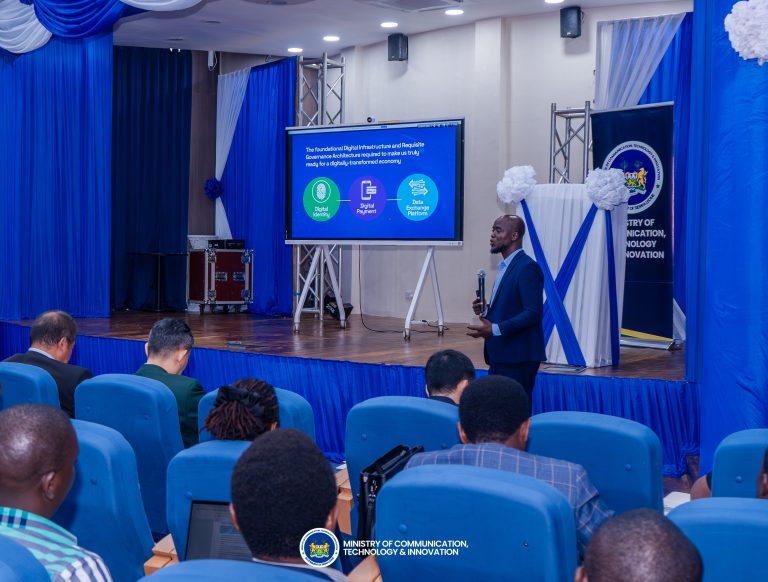
Sierra Leone has integrated Digital Public Goods (DPG) and open-source principles into university-level technology education for the first time, establishing a model that moves digital innovation from external programmes to sustainable domestic capacity. Limkokwing University of Creative Technology’s inaugural student cohort developed 11 digital solutions addressing governance, health, education and environmental challenges, all designed to align with the international DPG Standard. The end-of-semester exhibition marks the transition from pilot to institutionalisation.
The initiative operationalises Sierra Leone’s role as a founding board member of the Digital Public Goods Alliance 2024 STATE OF THE DIGITAL PUBLIC GOODS ECOSYSTEM Rather than commissioning external solutions, the government is building domestic capacity to generate open, reusable technology that serves as public infrastructure and directly contributes to the Sustainable Development Goals. This represents a strategic shift; students are no longer building classroom prototypes but solutions designed for the real world. deployment and scaled adoption.
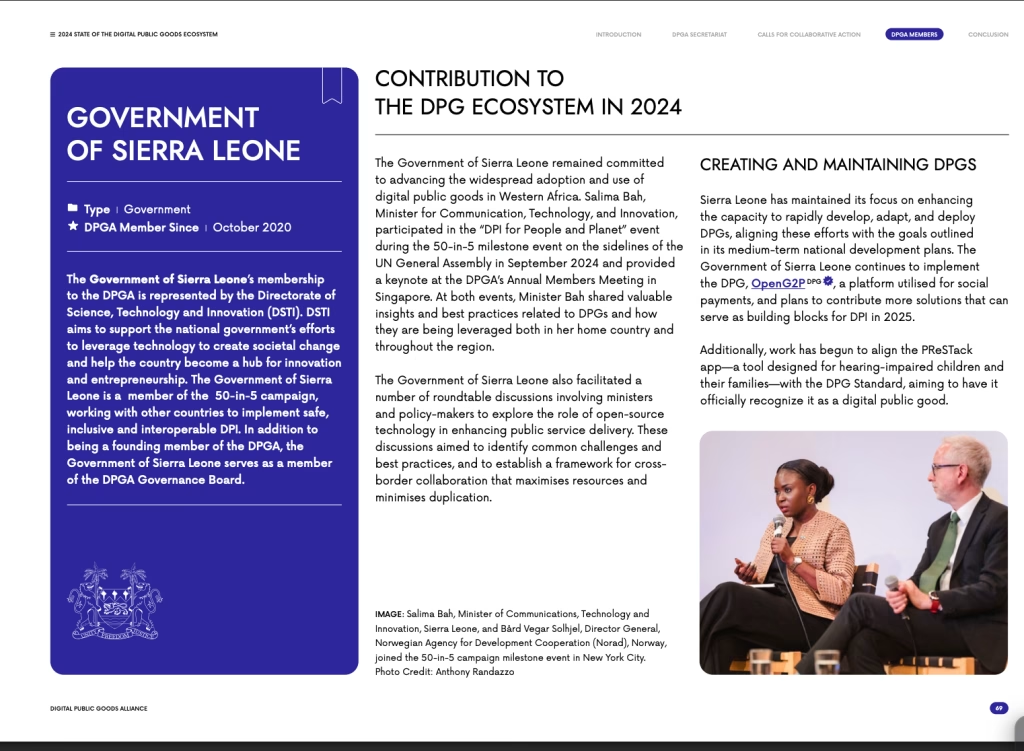
Excerpt from the Digital Public Goods Ecosystem 2024 Report highlighting Sierra Leone’s contribution to the global digital public goods movement. Source: UNICEF & Digital Public Goods Alliance (2024).
The programme shows coordinated investment across the Ministry of Communication, Technology and Innovation (MoCTI), UNICEF Sierra Leone, the United Nations University Maastricht Economic and Social Research Institute on Innovation and Technology (UNU-MERIT), and Limkokwing University. Through this collaboration, students have been introduced to open-source development, digital collaboration, responsible innovation and the creation of technology solutions that respond to sustainable development challenges
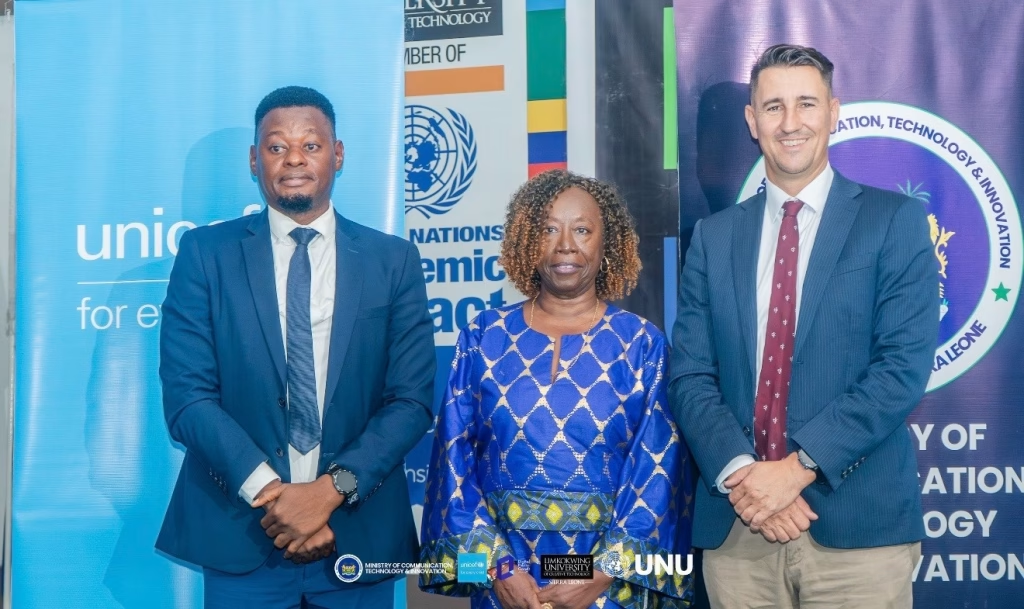
From the left: Dr Abdulai Sankoh, Director of Technology, MoCTI; Professor Miriam Conteh-Morgan, Vice Chancellor and Principal of Limkokwing University; James Houghton, Innovation Lead, UNICEF Sierra Leone.
This model demonstrates how development partners can support institutional capacity-building alongside technology deployment, creating pathways for young innovators to contribute to solutions that address local challenges with wider regional potential.
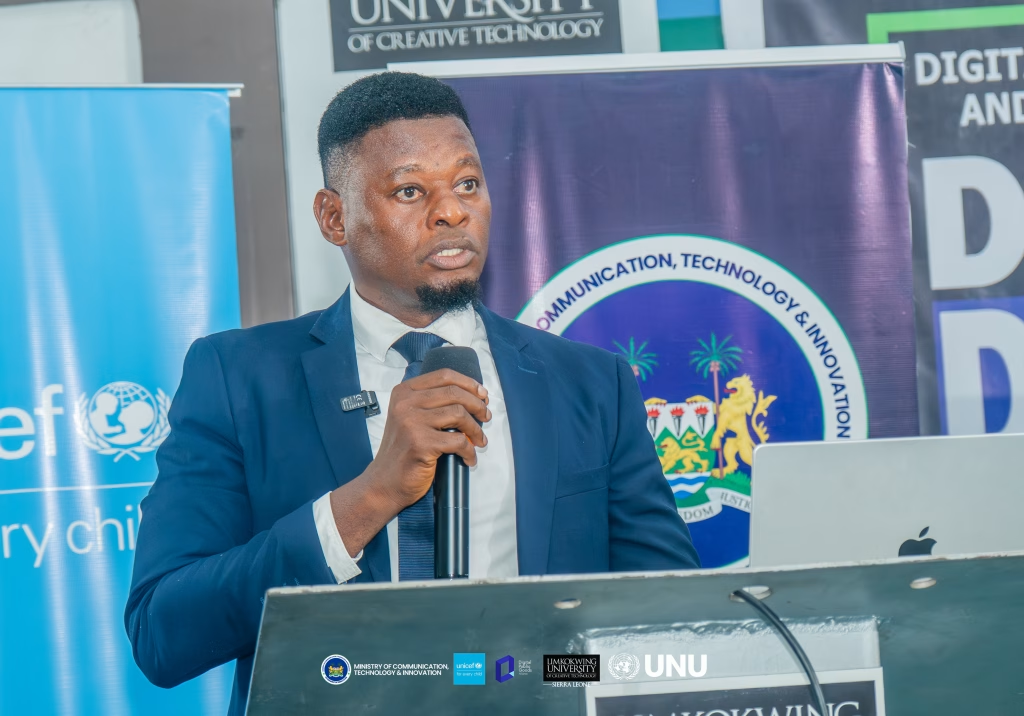
Dr Abdulai Sankoh, Director of Technology, MoCTI
“This programme moves digital innovation from donor-driven initiatives to sustainable domestic capacity,” said Dr Abdulai Sankoh, Director of Technology at MoCTI. “By embedding DPG principles in education, we are creating a pipeline of solutions that serve public needs and reduce long-term dependency on external technical assistance. These students are demonstrating that technology education can be directly connected to solving real-world problems.”
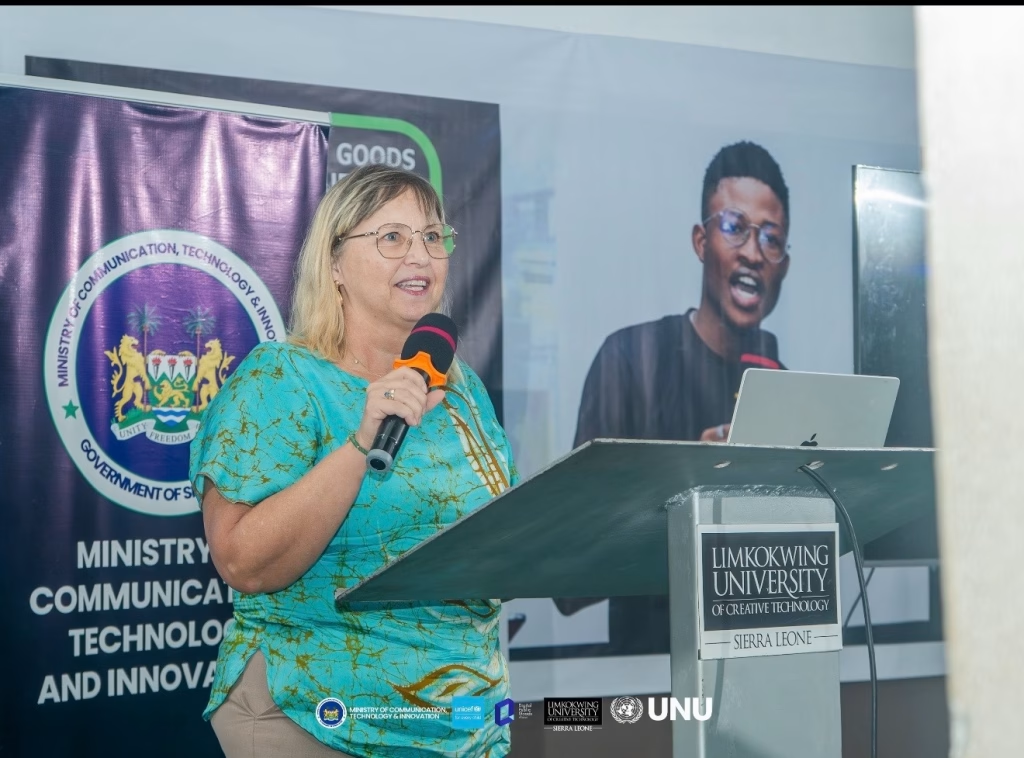
Liv Elin Indreiten, deputy representative, UNICEF Sierra Leone
“Artificial intelligence has the potential to transform education, expand access to information, and help solve challenges affecting children and communities. As technology evolves, governments, the private sector and development partners must work together to ensure digital spaces are safe, ethical and inclusive,” said Liv Elin Indreiten, deputy representative, UNICEF Sierra Leone. “The projects presented today demonstrate the creativity and potential of Sierra Leone’s students to contribute to a more inclusive digital future.”
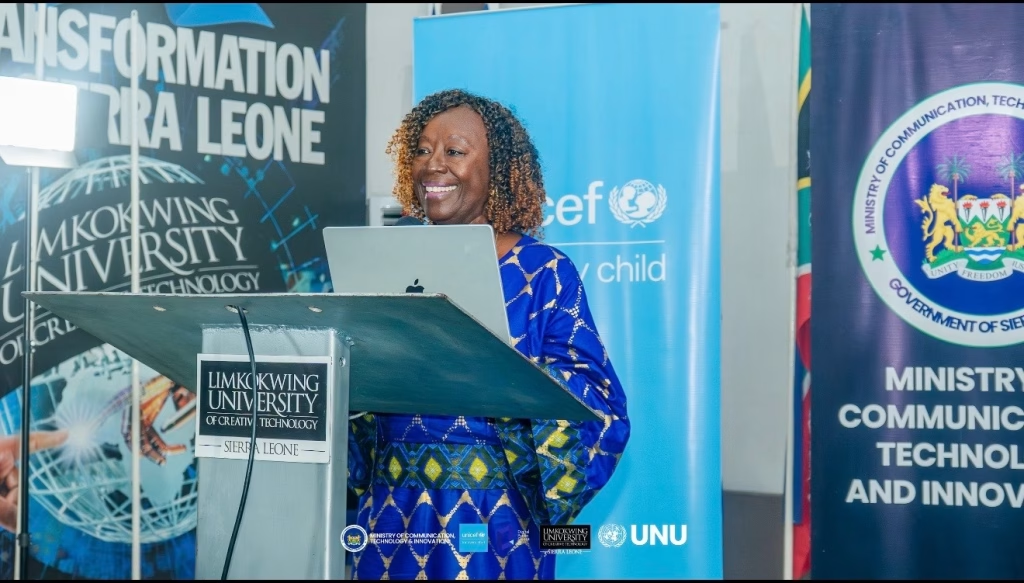
Professor Miriam Conteh-Morgan, Vice Chancellor and Principal of Limkokwing University,
Professor Miriam Conteh-Morgan, Vice Chancellor and Principal of Limkokwing University, emphasised the institutional shift: “Through this curriculum integration, our students are learning how to create solutions that are not only technically functional but also socially meaningful. They understand that good technology is technology that communities actually use.”
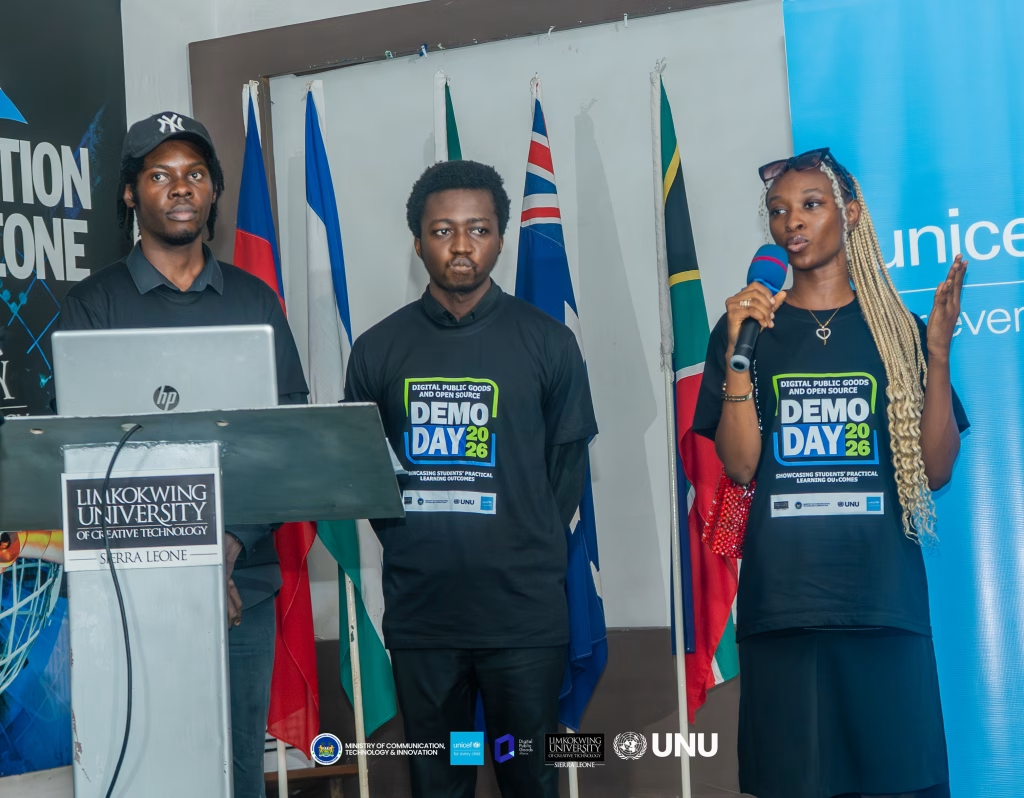
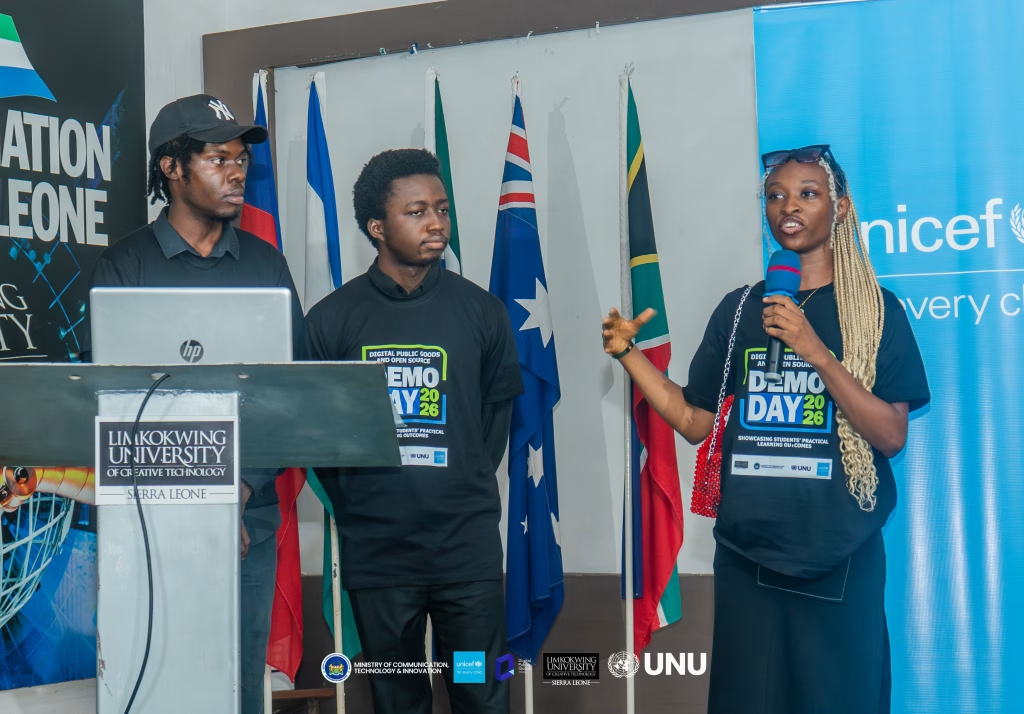
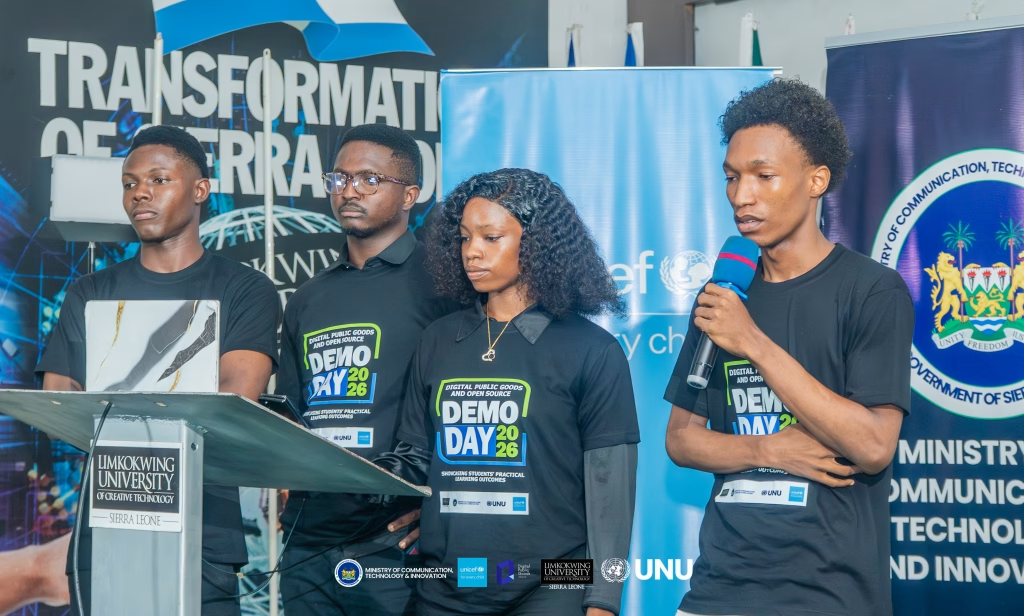
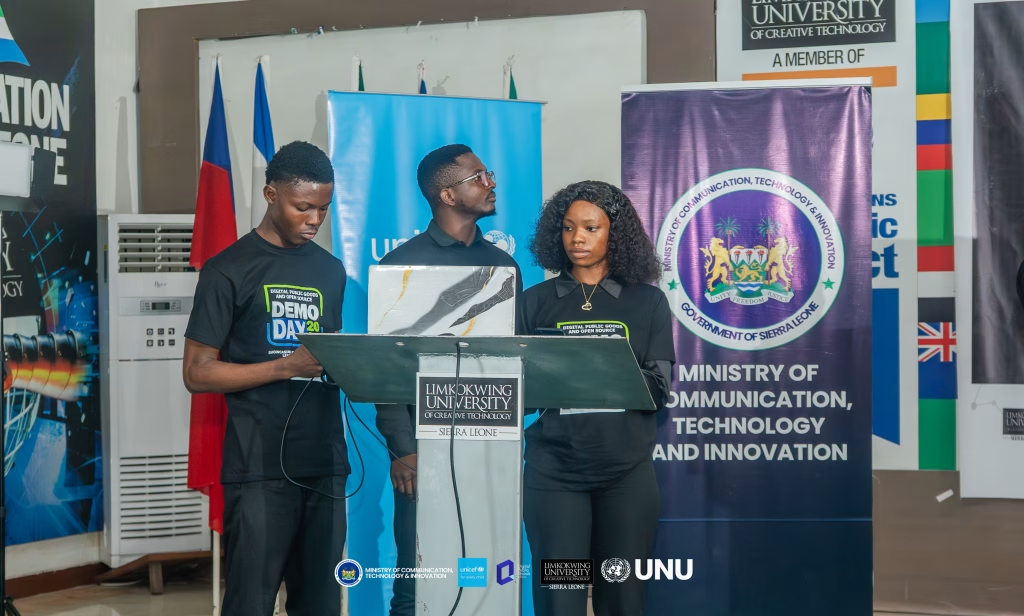
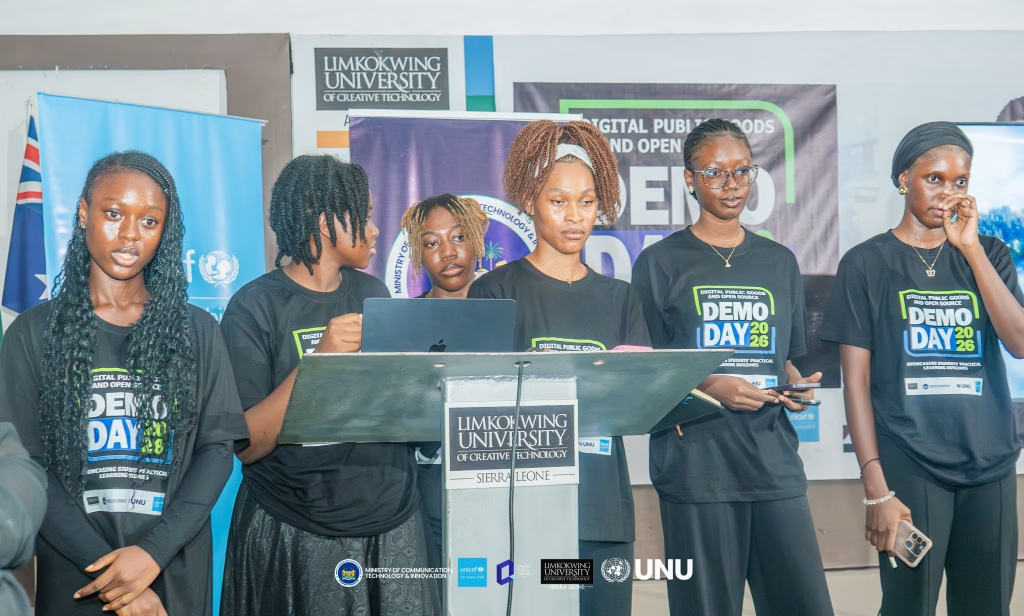
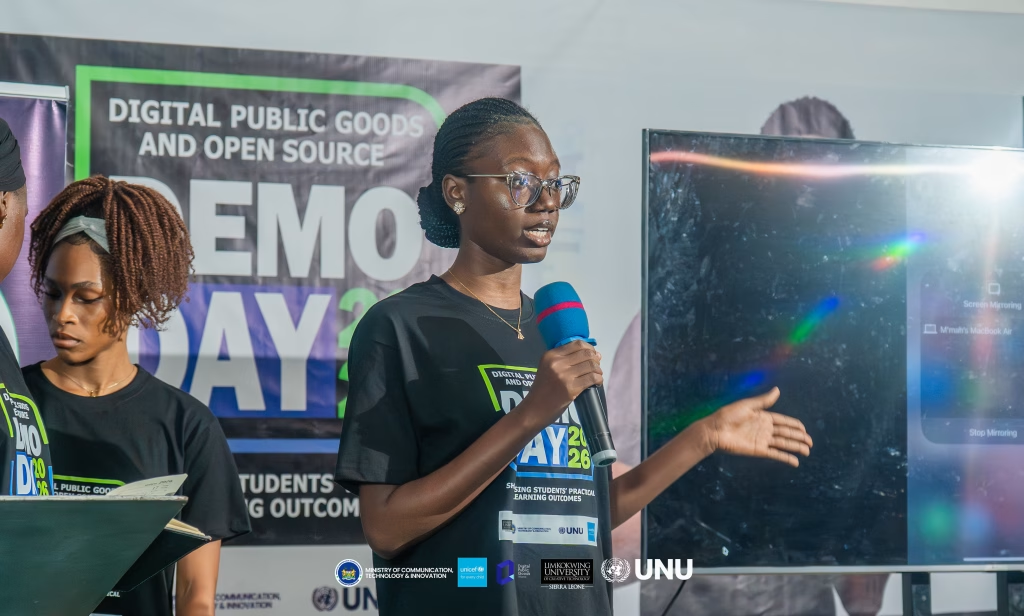
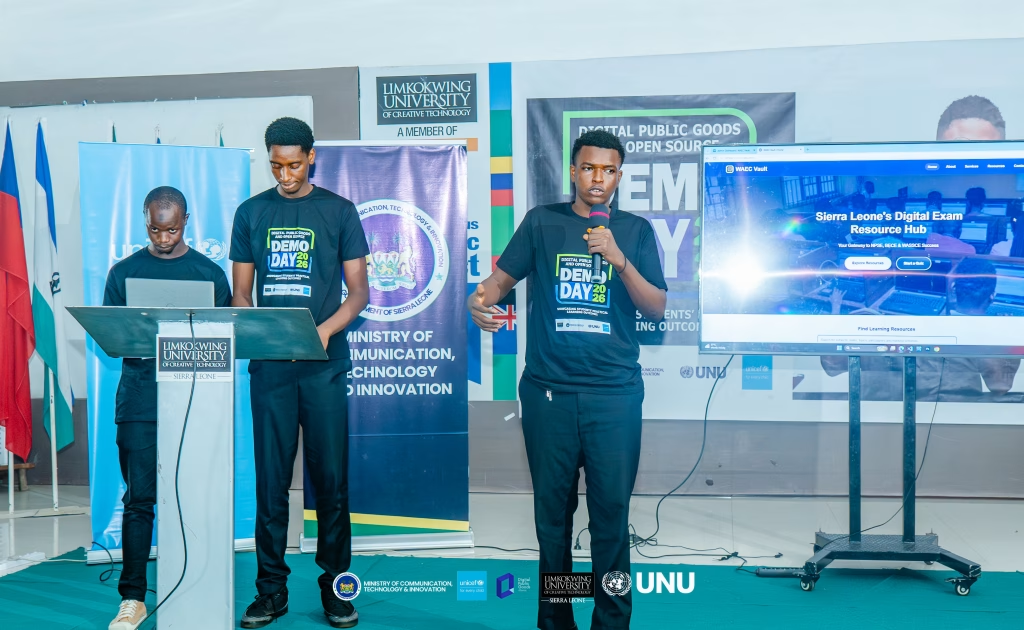
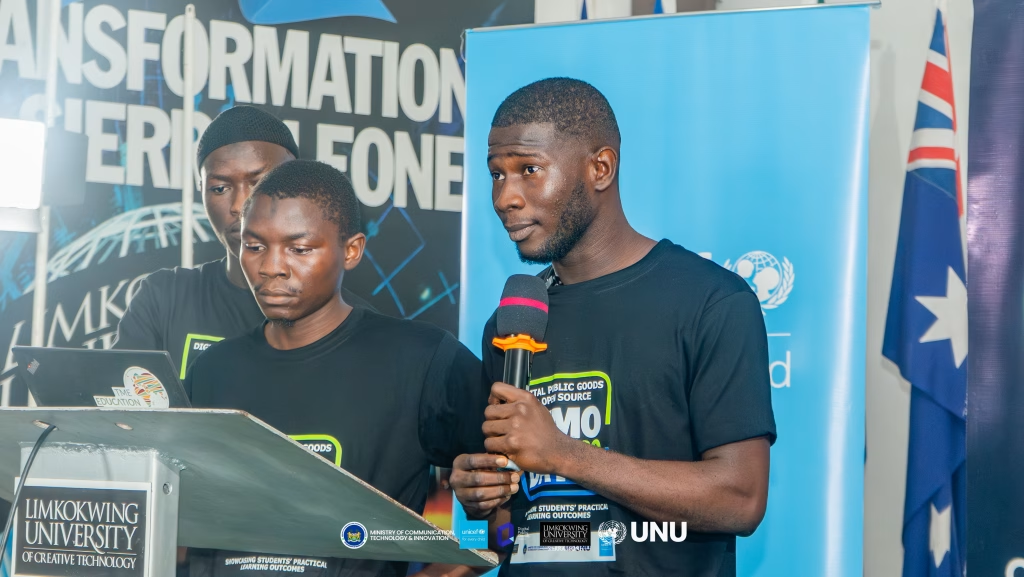
The exhibition and pitch sessions showcased a diverse range of student-developed platforms designed to address challenges across multiple sectors:
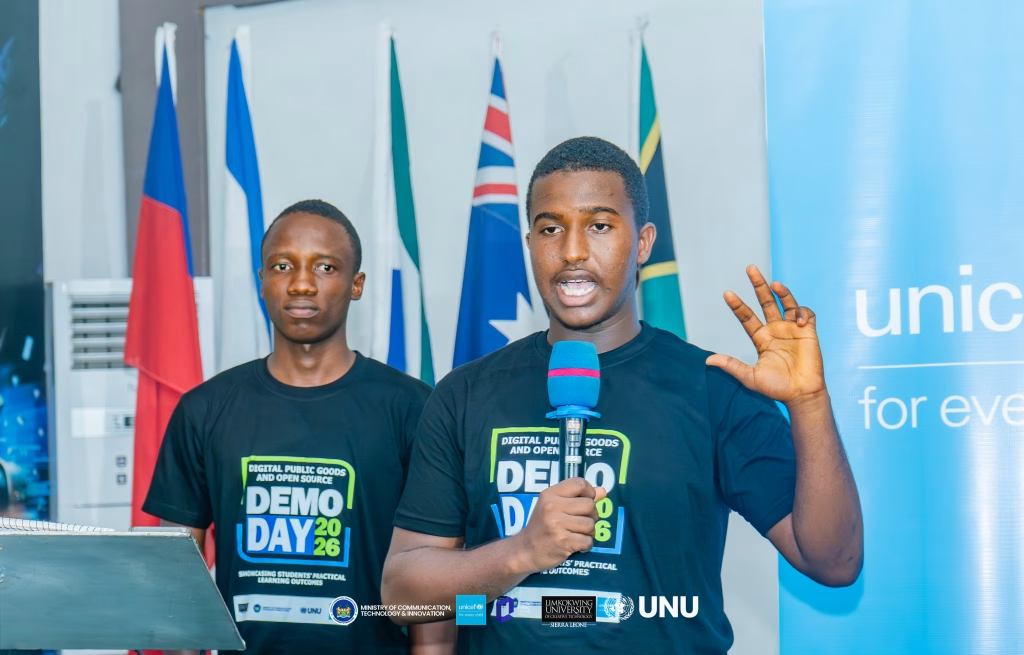
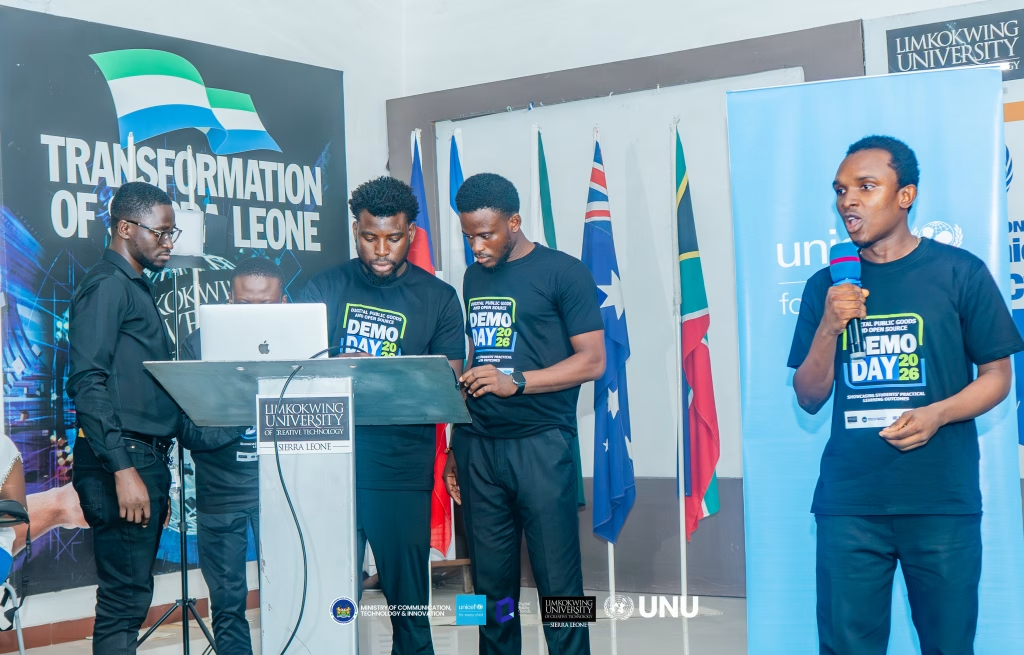
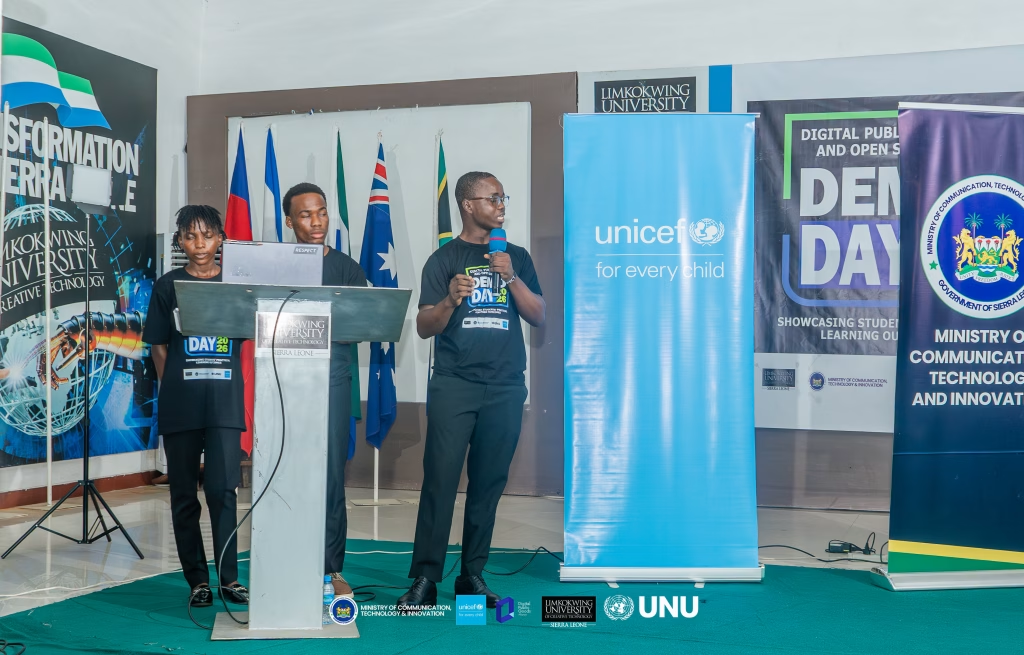
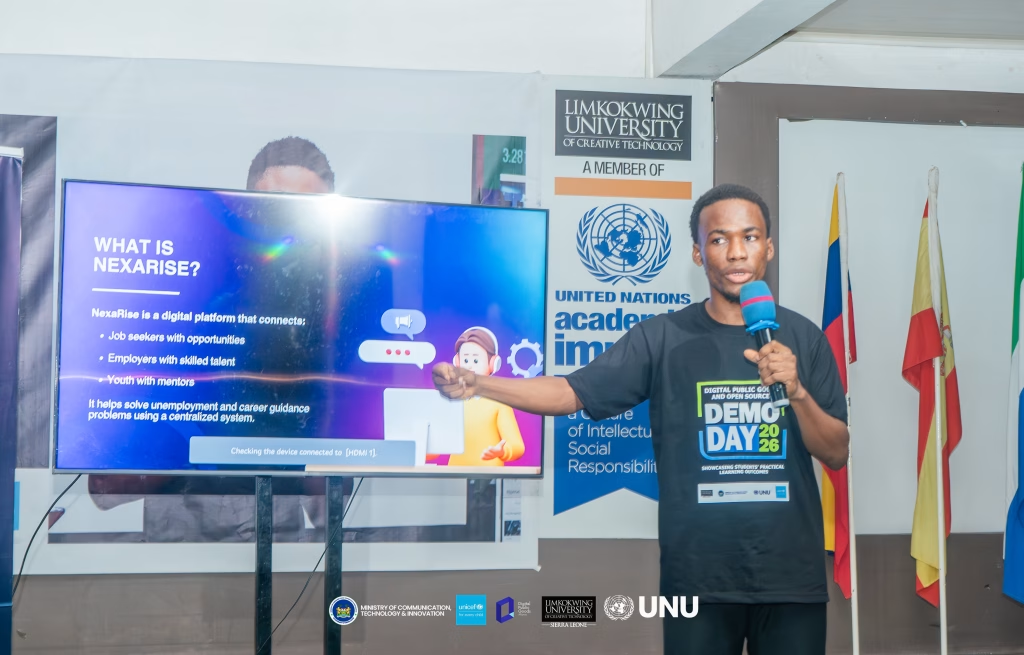
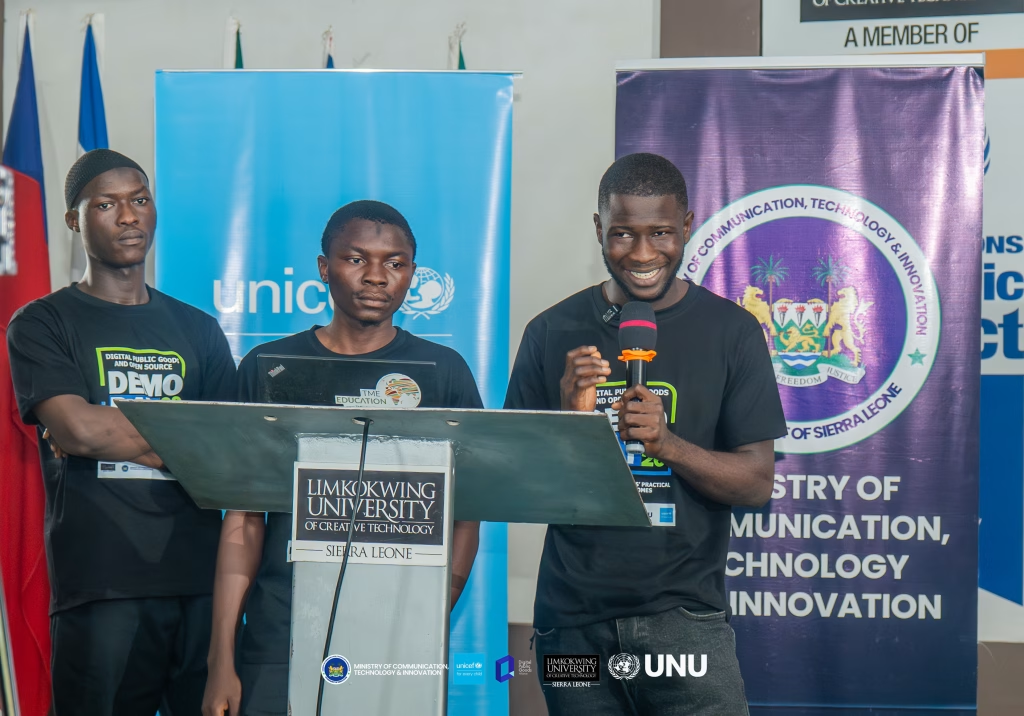
Education Access (SDG 4 – Quality Education)
WAEC Vault: An open educational platform providing students with free access to examination resources, including WAEC, BECE, NPSE and other learning materials, promoting inclusive learning opportunities
SkulMaster Educational Data Ecosystem: A digital education management platform designed to improve school administration through student records management, attendance tracking, academic performance monitoring and communication
School SaaS: A cloud-based school management platform supporting admissions, attendance, academics, finance, communication and administrative processes through one integrated system
EduRight: An education-focused digital platform designed to improve access to learning resources and support educational development
Health and Emergency Response (SDG 3 – Good Health and Well-being)
Aura Clinic Healthcare Management System: Provides digital tools for managing patient records, appointments, billing, pharmacy services and healthcare operations, supporting more efficient healthcare delivery
Emergency Response System: Designed to enable users to quickly report emergencies and support improved coordination during emergency situations
Employment and Economic Growth (SDG 8 – Decent Work and Economic Growth)
Find the Right Internship: Connects students with internship opportunities based on their skills, interests and career aspirations, supporting pathways between education and employment
Governance and Civic Infrastructure (SDGs 10 and 16 – Reduced Inequalities; Peace, Justice and Strong Institutions)
OpenClearance: A digital clearance management system designed to improve administrative efficiency and simplify institutional clearance processes
CleanLoop: A digital waste management platform connecting households, businesses and waste collectors to encourage responsible waste disposal and recycling
Environmental Sustainability (SDG 13 – Climate Action)
EcoClean: Promotes environmental sustainability through sanitation awareness, recycling initiatives and community participation in maintaining cleaner environments
NexArise: A student-developed solution contributing to the growing portfolio of digital innovations emerging from the programme
Together, these 12 projects directly support 8 Sustainable Development Goals and demonstrate proof-of-concept across multiple sectors critical to national development.
Following this successful pilot, MoCTI plans to expand DPG curriculum integration to additional universities and technical institutions across Sierra Leone. Each institution will join the national Digital Public Goods Pipeline, creating a coordinated ecosystem where student projects move toward formal recognition and potential investment.
This expansion strategy transforms digital innovation from institution-specific initiatives into a national system capable of generating solutions at scale.
While the projects were developed using digital public goods and open-source principles, formal recognition as digital public goods requires assessment against the internationally recognised Digital Public Goods Standard. This ensures rigorous evaluation and maintains quality across the portfolio.
Following the exhibition, selected high-performing projects will advance through Sierra Leone’s Digital Public Goods Pipeline for formal evaluation against the DPG Standard. This assessment process examines openness, documentation, privacy, security, interoperability and contribution to the Sustainable Development Goals.
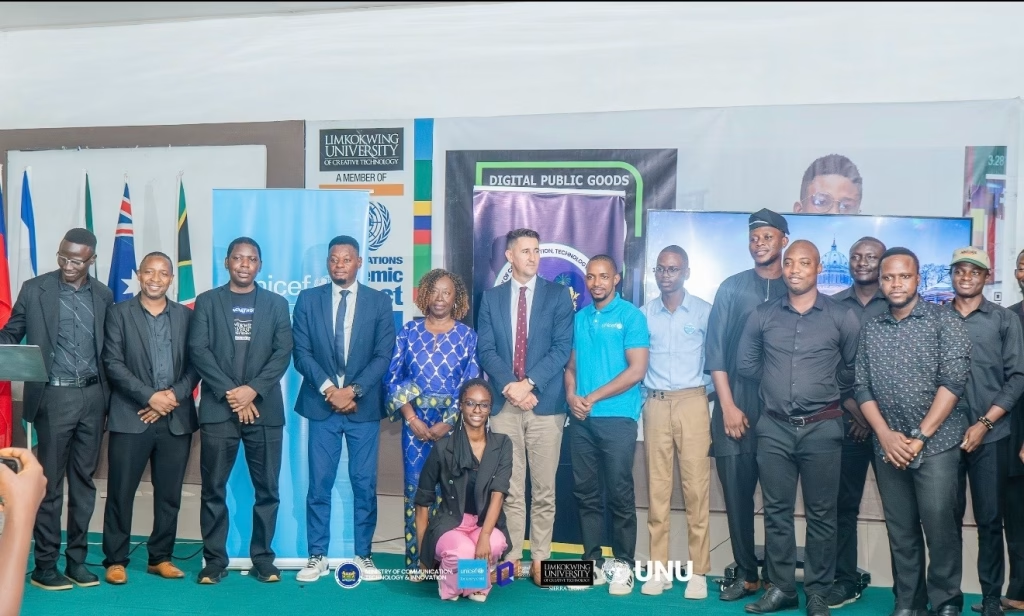
Cross section of Limkokwing university lecturers, UNICEF Sierra Leone and the Ministry of Communication, Technology and Innovation.
Projects that meet the standard become eligible for the next Digital Public Goods Accelerator Lab, which provides targeted support for scaling, deployment and sustainability planning. This staged assessment process ensures resources flow to solutions with demonstrated technical viability and social demand.
By integrating digital public goods and open-source principles into higher education, Sierra Leone is creating new opportunities for students to become creators of digital solutions rather than passive users of technology. The model demonstrates how government, academia and development partners can work together to build institutional capacity for sustainable innovation.
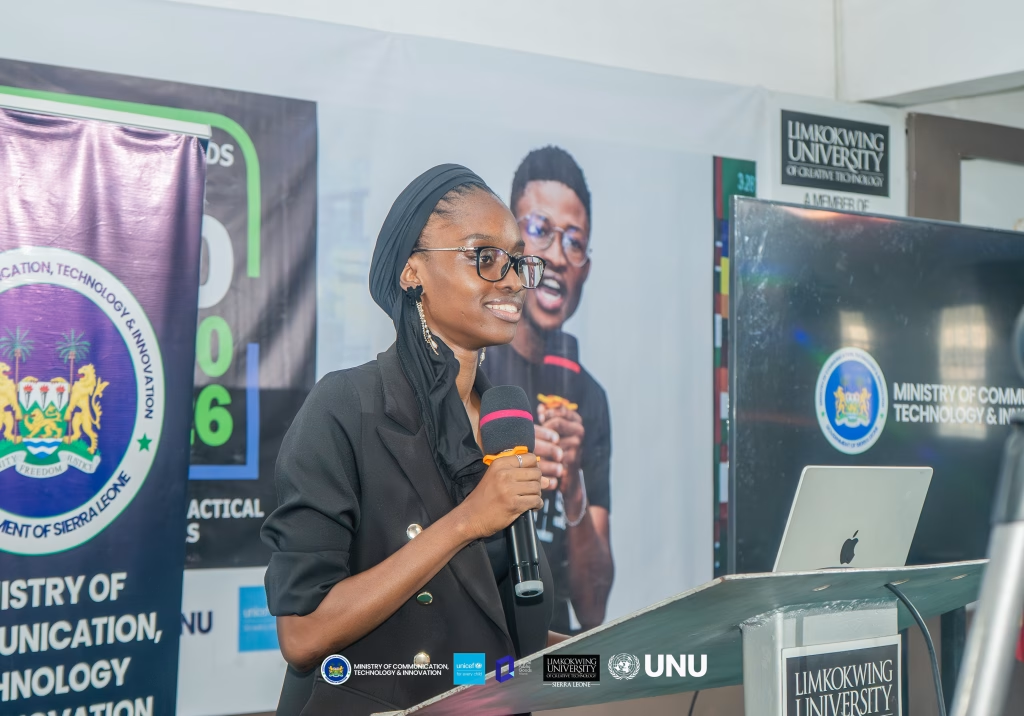
Hawa Kallon, DPG and AI Lead, Ministry of Communication, Technology and Innnovation
The first cohort has delivered measurable results. The next cohort, and those beyond, represent the foundation of a domestic digital innovation ecosystem capable of responding to national priorities and generating solutions with lasting public value.
For more information on the Digital Public Goods Pipeline, contact the Ministry of Communication, Technology and Innovation’s Media and Communications team at comms.moctisl@gmail.com