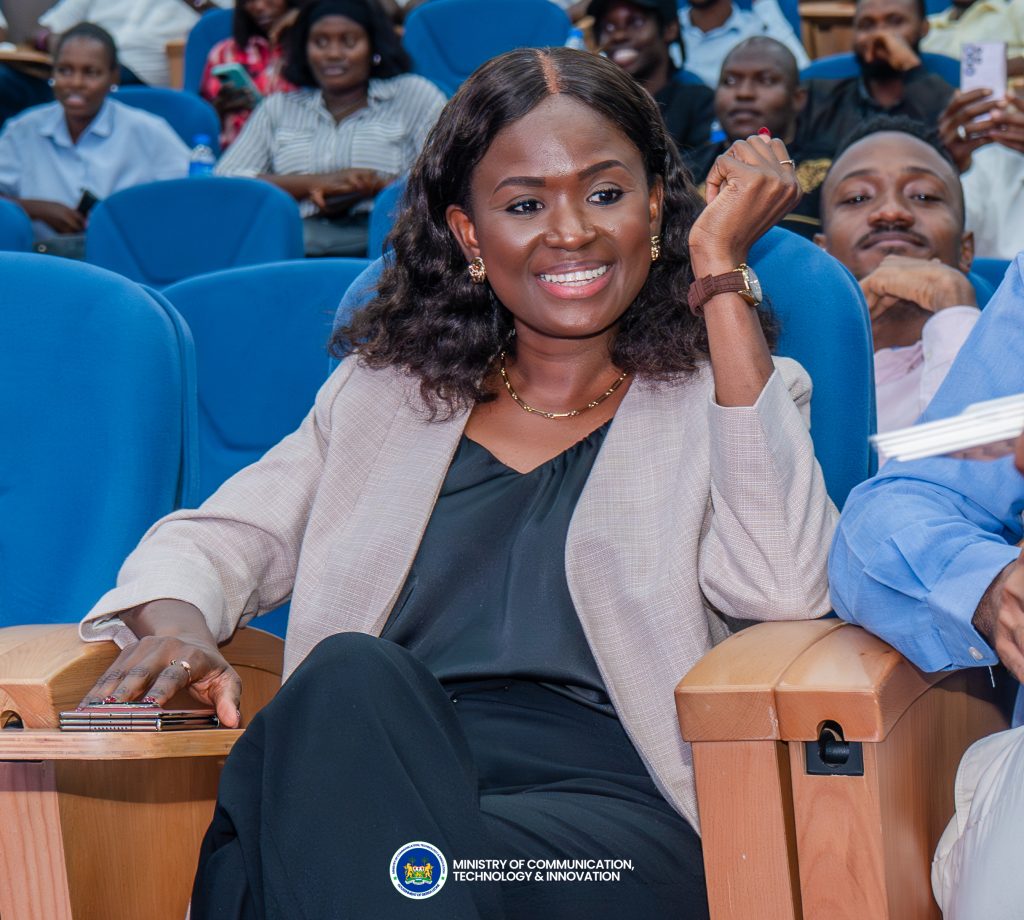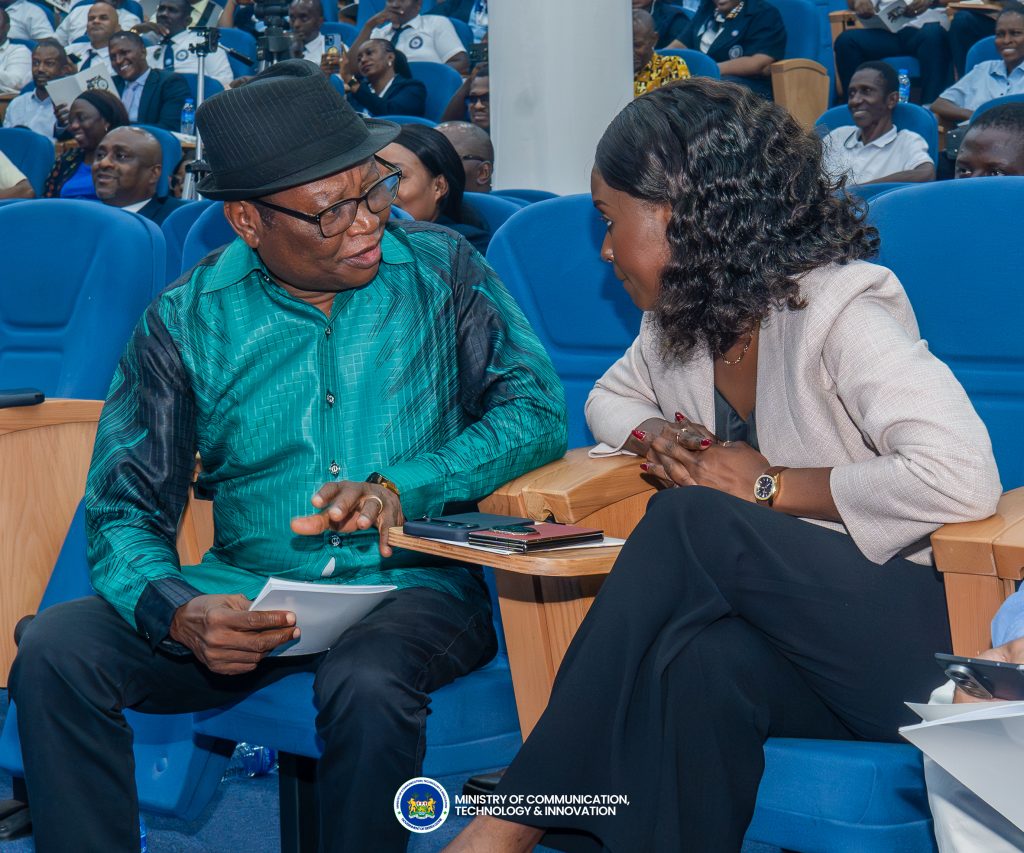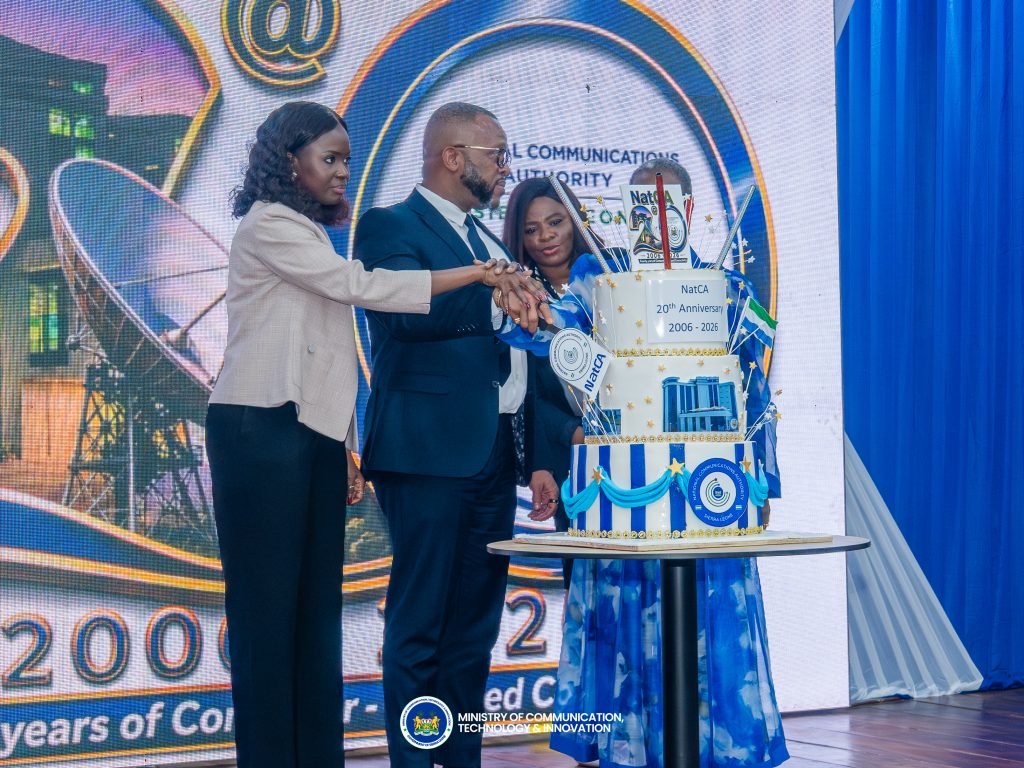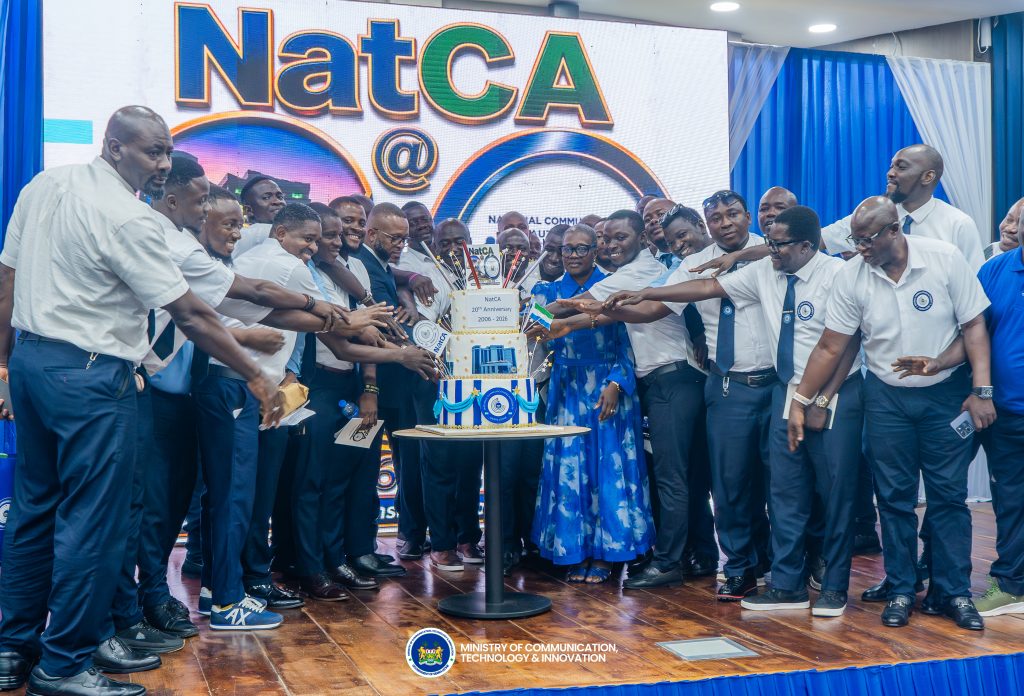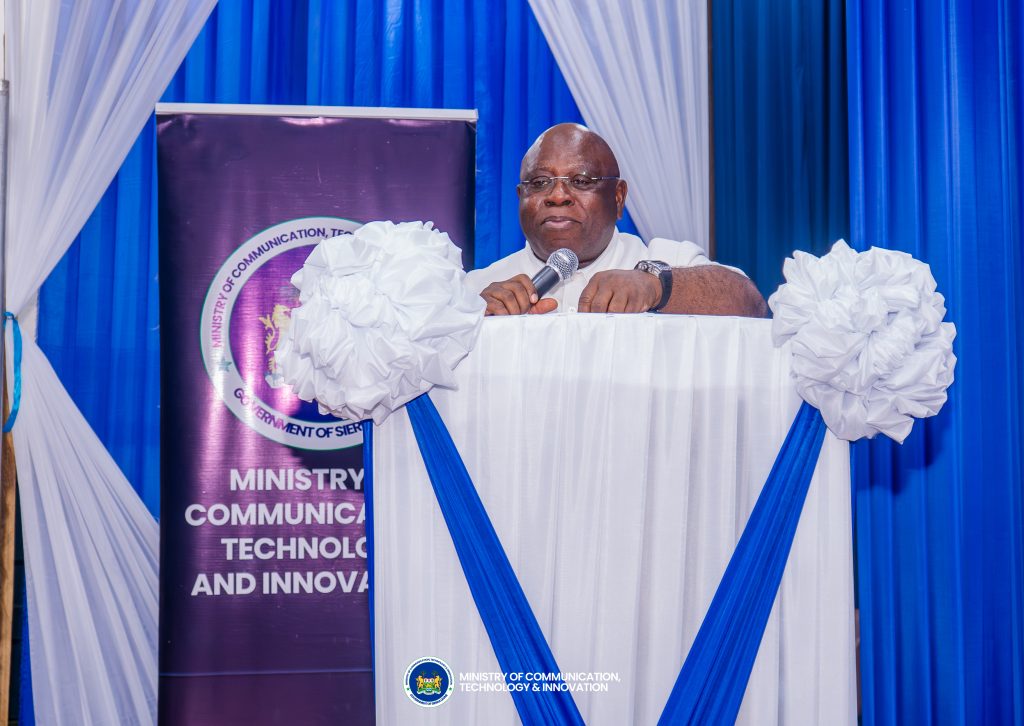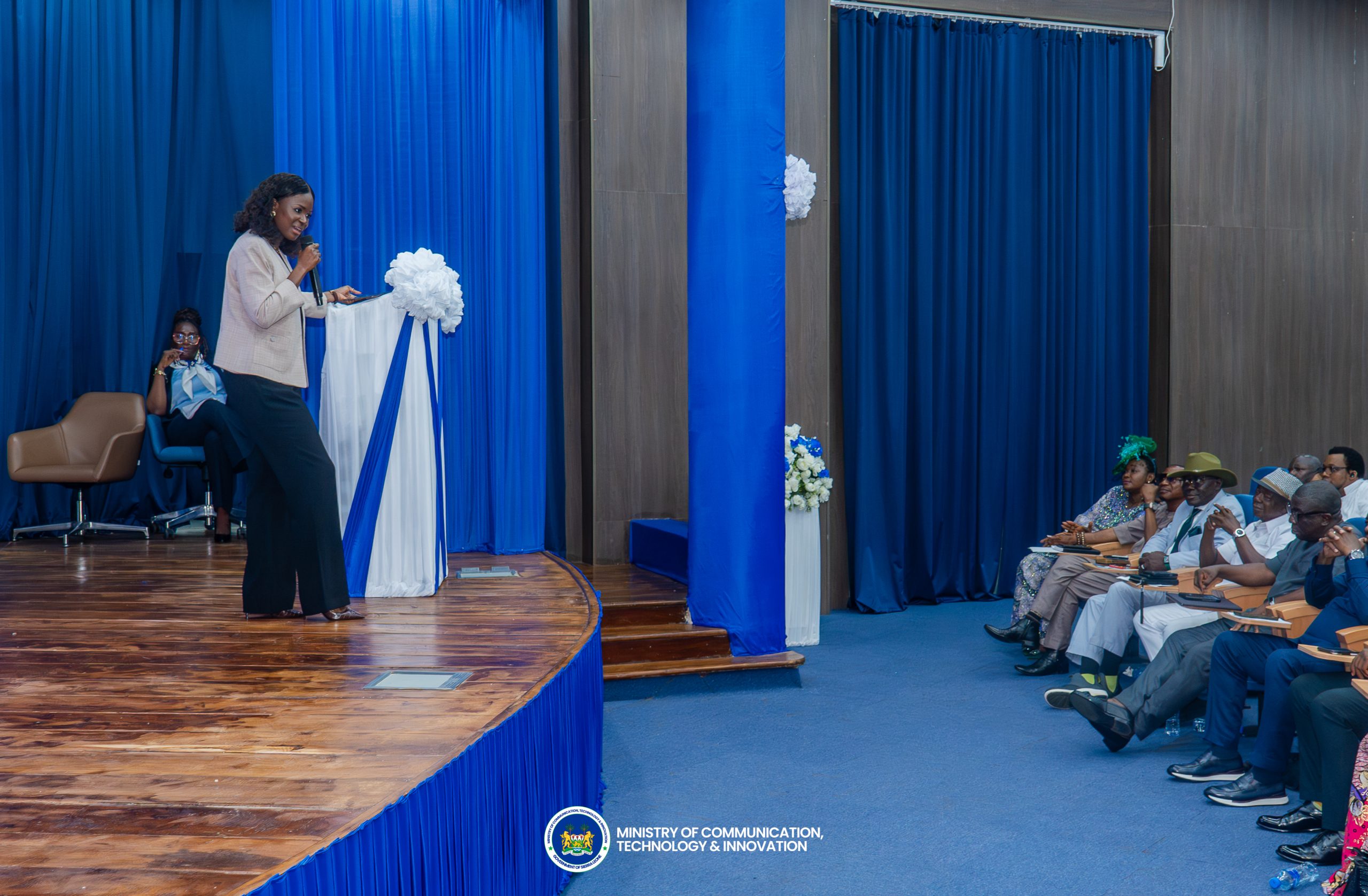
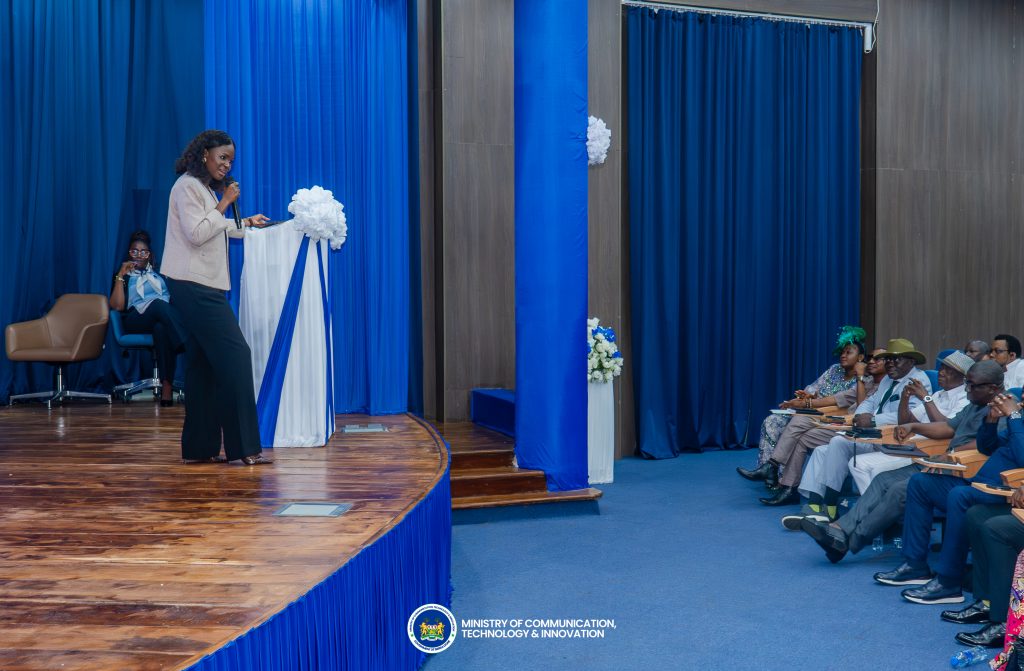
Madam Salima Bah, Minister of Communication, Technology and Innovation
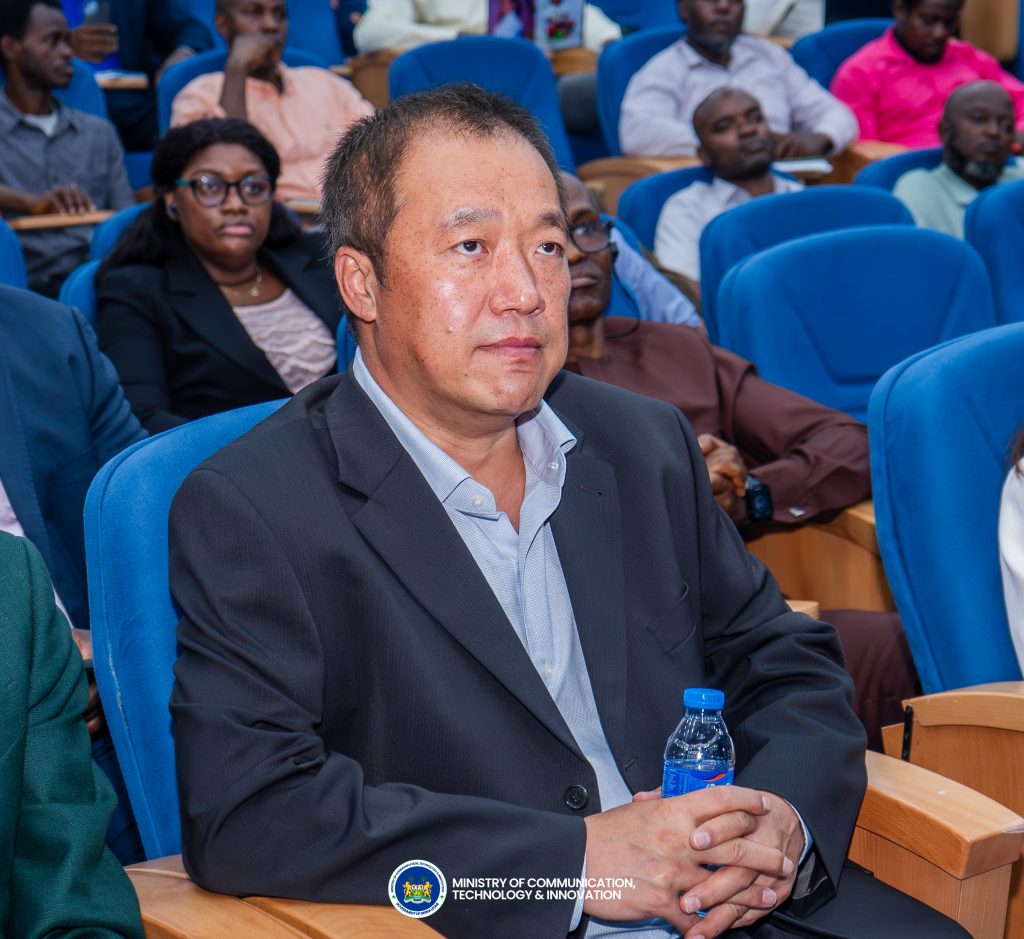
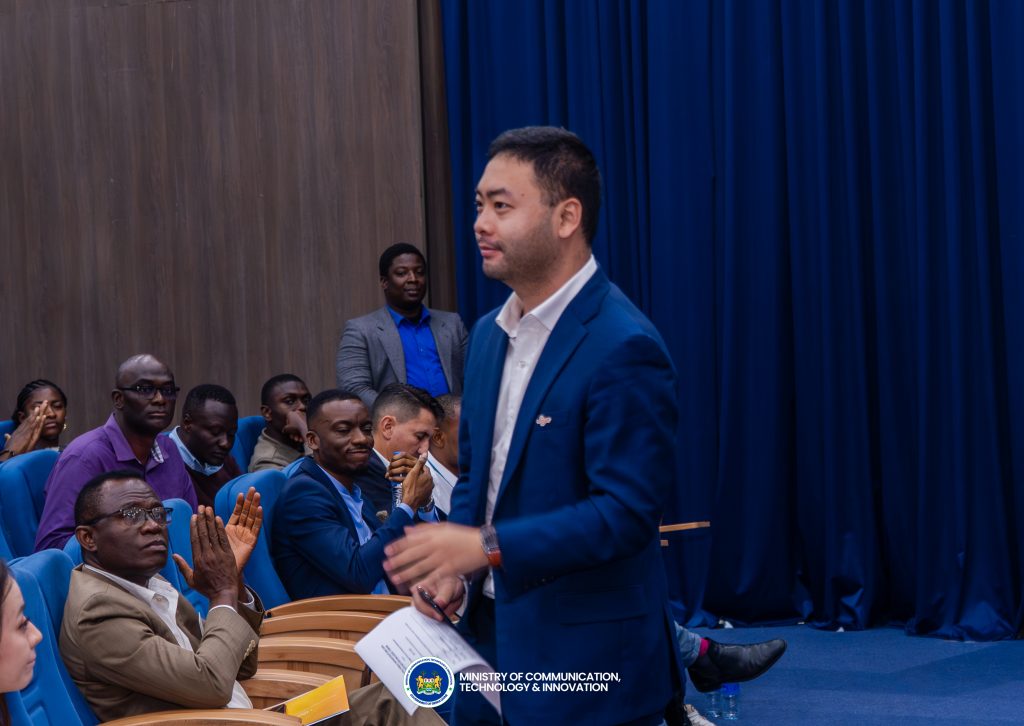
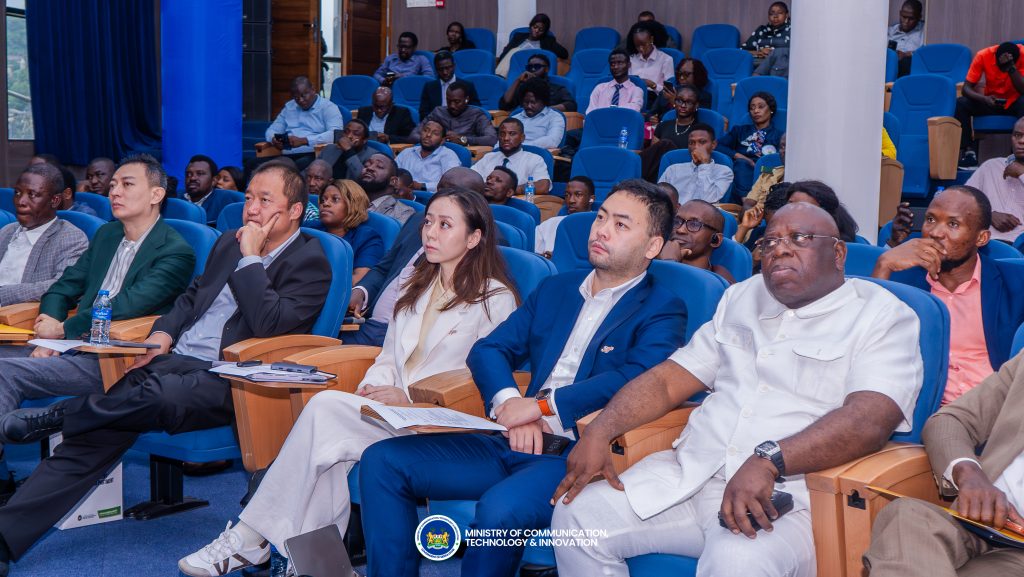
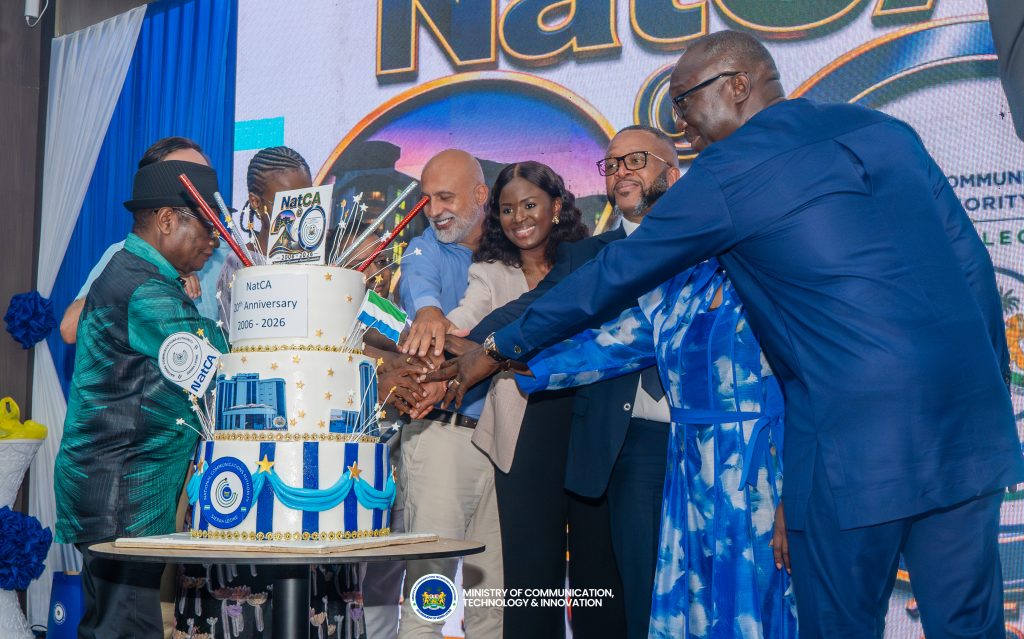
The National Communications Authority (NatCA) has celebrated its 20th anniversary with a renewed call to strengthen the institutions, partnerships and policies that have transformed Sierra Leone’s telecommunications sector over the past two decades.
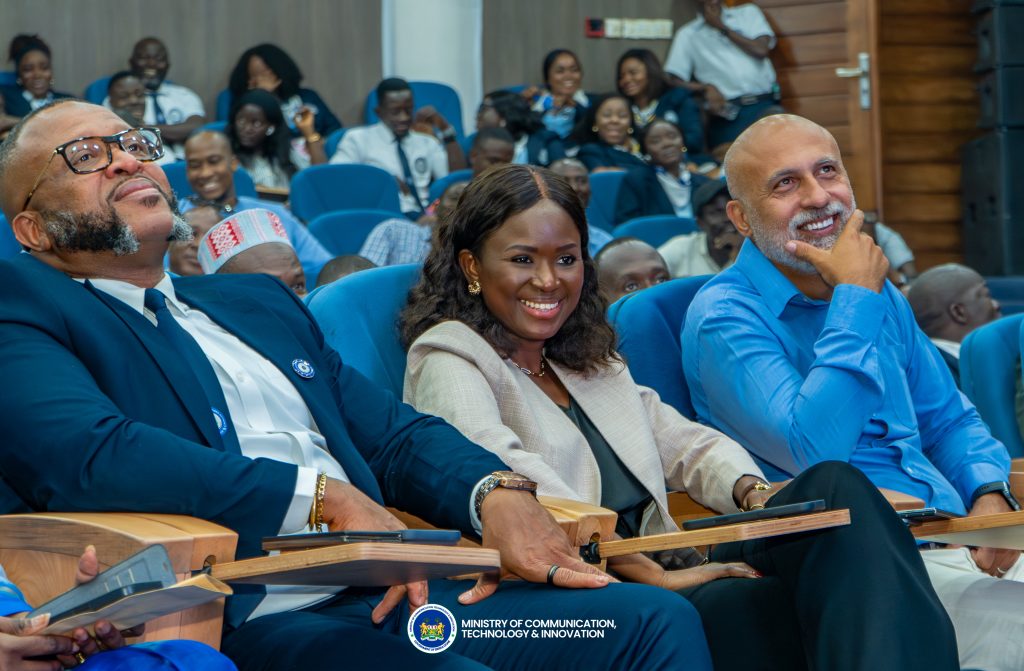
Speaking at the anniversary celebration, the Minister of Communication, Technology and Innovation, Madam Salima Bah, said NatCA’s journey demonstrates that strong institutions are built not by infrastructure alone, but by people, shared purpose and enduring values.
“It is important to note that institutions are not formed by just a building. Institutions are made by their people,” the Minister said as she paid tribute to those who have been with the Authority since its establishment. She acknowledged the leadership of, Dr. Prince Harding, under whose tenure as minister NatCA was established, and recognised the contributions of former ministers, board chairpersons, board members, Director Generals, staff and industry operators whose collective efforts have strengthened the sector over the years.
Looking on the country’s digital progress, Madam Salima Bah noted that mobile network coverage now reaches more than 90 percent of the population, the national fibre backbone has expanded to 14 of Sierra Leone’s 16 districts, satellite operators have entered the market, and Mobile Virtual Network Operators (MVNOs) are creating new opportunities for innovation and competition. She said these achievements are the result of deliberate policy decisions, effective regulation and sustained collaboration between government, the regulator, industry stakeholders and development partners.
According to the Minister, one of the most important lessons from NatCA’s 20-year journey is that the role of a regulator extends beyond oversight. It creates an enabling environment for investment, promote fair competition, encourage innovation and ensure that the interests of citizens remain at the centre of every decision.
Looking ahead, Madam Bah said that the next phase of Sierra Leone’s digital transformation will require a shift in focus. While communications infrastructure has expanded significantly, internet adoption continues to lag behind network availability. Addressing this challenge, she said, will require more affordable digital services, improved quality of service, stronger digital literacy and greater efforts to ensure technology delivers meaningful benefits in people’s daily lives.
She emphasised that achieving these goals will require continued collaboration across government, the regulator, Parliament, the private sector, civil society, development partners and citizens.
“Twenty years ago, the focus was on building the infrastructure for a connected nation. The next twenty years must focus on ensuring every Sierra Leonean can fully participate in the opportunities that connectivity creates,” the Minister said.