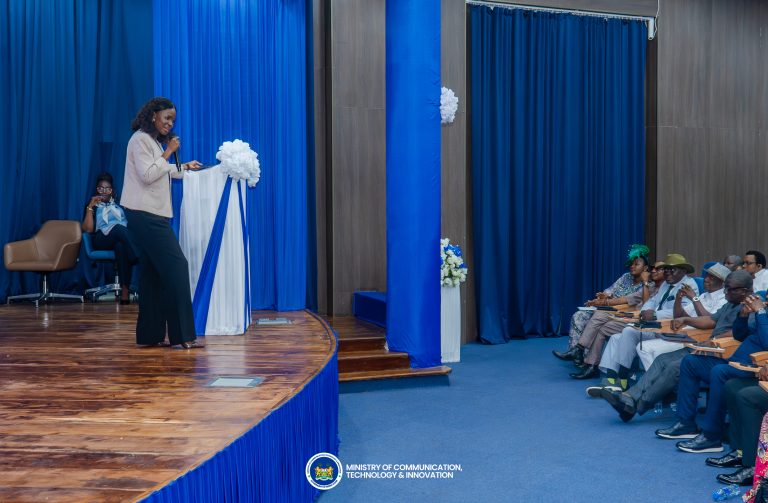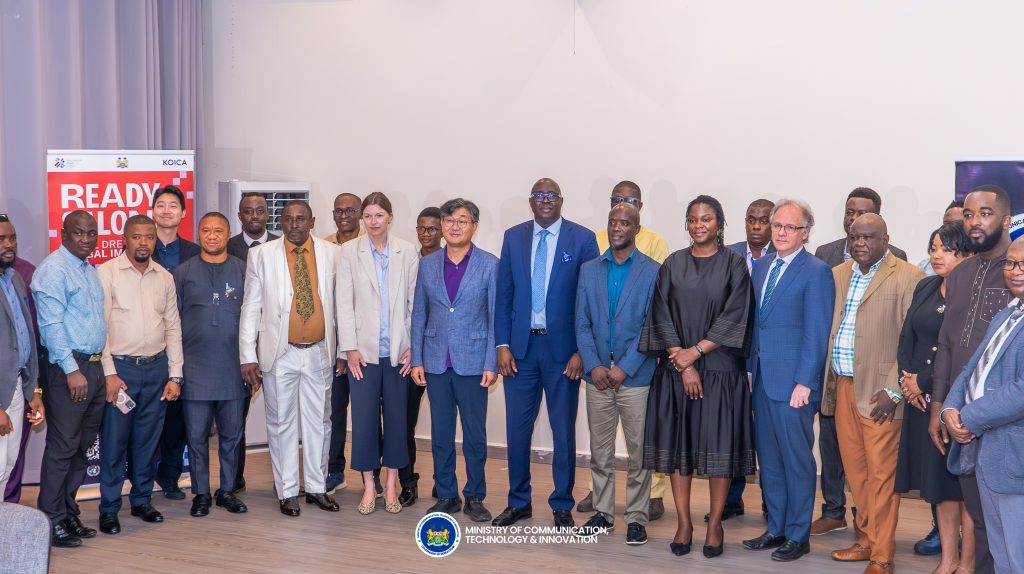
Representatives from the public and private sectors
African digital payments move $270 billion annually across mobile money platforms and country-specific mobile wallets. Yet the legal infrastructure protecting those transactions does not exist across most of the continent.
Sierra Leone is changing that. On the 27th and 28th July, the government convened a public-private dialogue to implement electronic transaction laws that have sat dormant for seven years. The move implemented by the Ministry of Communication, Technology and Innovation and the Ministry of Trade and Industry, with support from the International Trade Centre and Korea’s International Cooperation Agency, targets a regulatory gap that investors, fintech companies, and merchants across West Africa identify as the primary blocker to digital commerce growth.
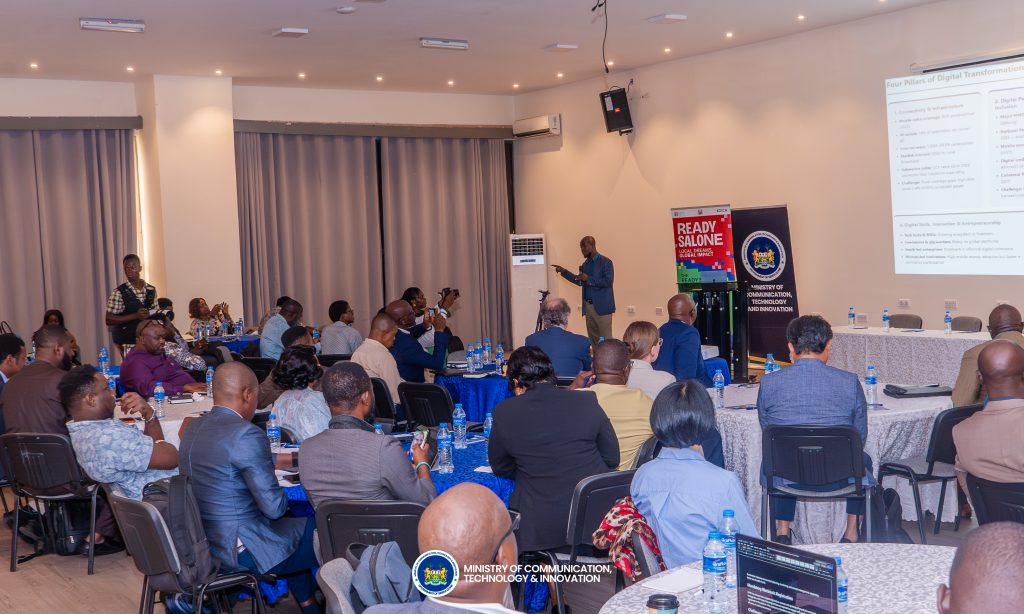
Stakeholders from government, the private sector, financial institutions, telecommunications companies, development partners, and civil society participate in the inception meeting on the Public–Private Dialogue on the State of the eTransaction Legal and Regulatory Landscape in Sierra Leone.
Mobile money disputes, payments that vanish mid-transfer, goods that do not arrive, and customers who deny receipt have no legal resolution pathway. A merchant in Freetown processing two thousand ($1,100) daily in mobile money transactions has no court process to recover money if a transaction fails. A tech hub serving youth entrepreneurs has no legal framework guaranteeing digital contracts are enforceable. A woman trader scaling across districts has zero consumer protection if a customer disputes a charge.
Highlighting the importance of trust in driving digital commerce and economic growth, Hon. Alpha Ibrahim Sesay, Minister of Trade and Industry, said, “A trusted e-transactions ecosystem is essential for expanding trade, improving the ease of doing business, and unlocking Sierra Leone’s digital economy.”
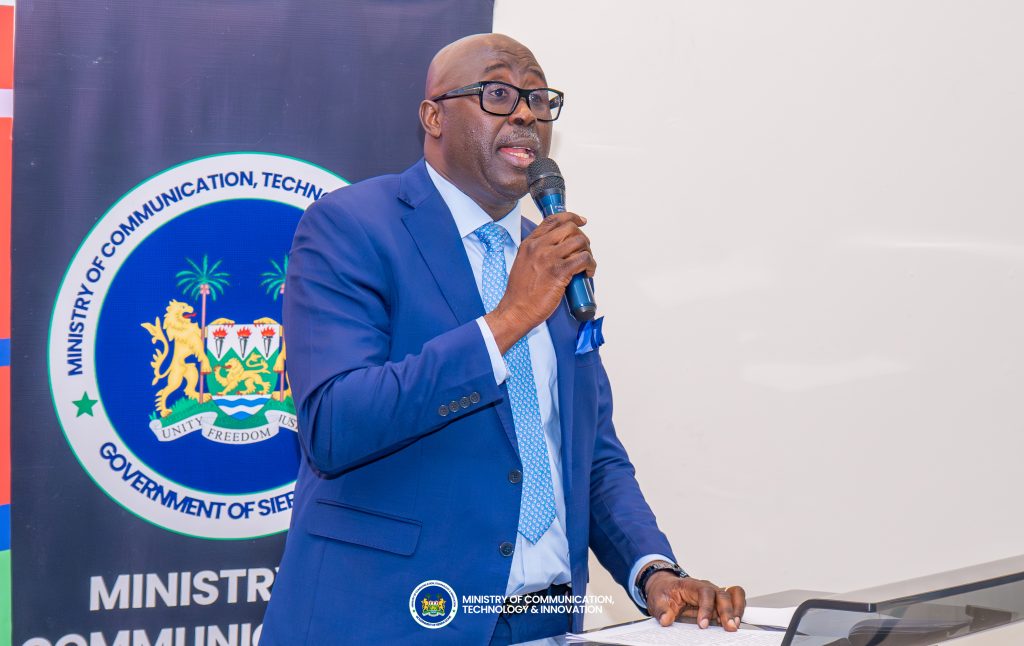
Hon. Alpha Sesay, Minister of Trade and Industry
Sierra Leone’s Electronic Transactions Act 2018, passed in January 2019, was designed to fix this. The law is comprehensive; it recognises electronic signatures as legally valid, guarantees consumers seven-day cancellation rights, requires suppliers to disclose full pricing and dispute procedures, and makes electronic messages admissible in court. But the Act exists without the infrastructure to enforce it. No government authority was designated to issue digital certificates. No court guidance was issued on evaluating electronic evidence. No dispute resolution process was established. No penalties for violations were specified. The law protects merchants and consumers on paper only. Digital commerce happens in a legal void.
This gap is not unique to Sierra Leone. Across Africa, countries have passed electronic transaction legislation: Tanzania in 2010, Rwanda in 2017, Uganda in 2020, and Ghana in 2023, with varying degrees of actual implementation. The pattern is consistent: ambitious law, minimal enforcement infrastructure, merchants and consumers operating with legal uncertainty.
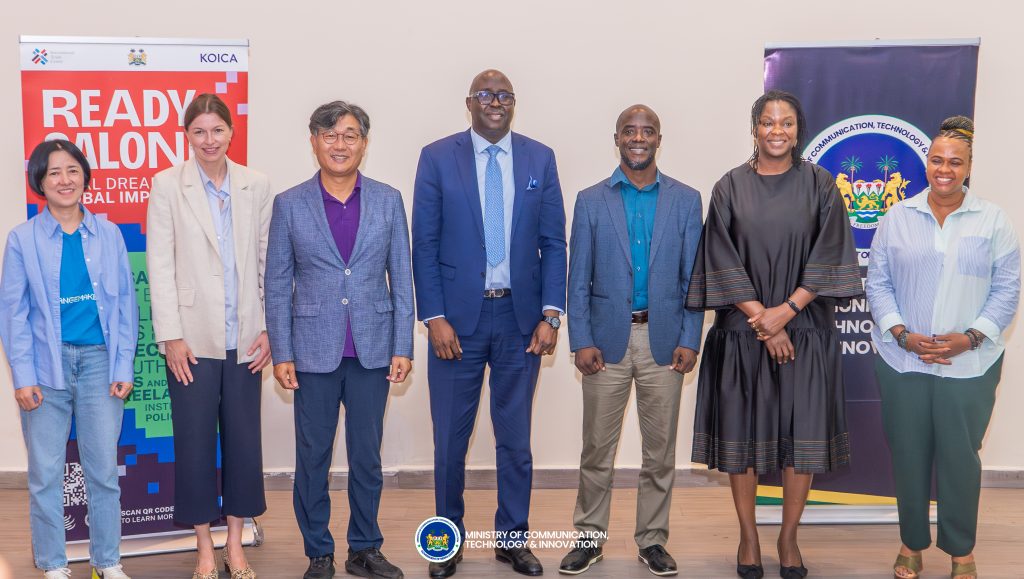
Today’s dialogue brought together a specific group of mobile money operators managing daily disputes, merchants losing money to fraud, youth entrepreneurs deciding whether digital commerce is viable, women traders calculating whether scaling through mobile payments is possible, tech hubs supporting digital businesses, and financial institutions processing electronic transactions. The central question driving the room, If I transact digitally in Sierra Leone today? What actually protects me? Answering required making explicit what seven years of non-implementation left vague: Who issues digital certificates and by what standard? When a dispute erupts, which government authority investigates and within what timeline? When fraud occurs, which agency prosecutes, what are the penalties, and how is recovery handled? When electronic evidence appears in court, how does a judge evaluate its authenticity?
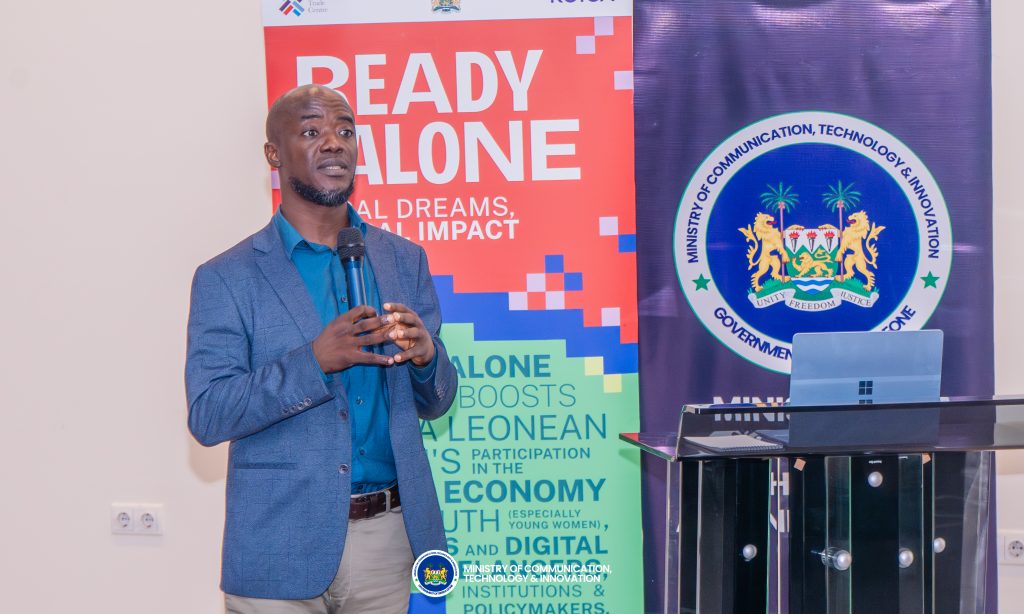
Mr James Kanja Cobba, Director of Policy, Planning and Research, MoCTI
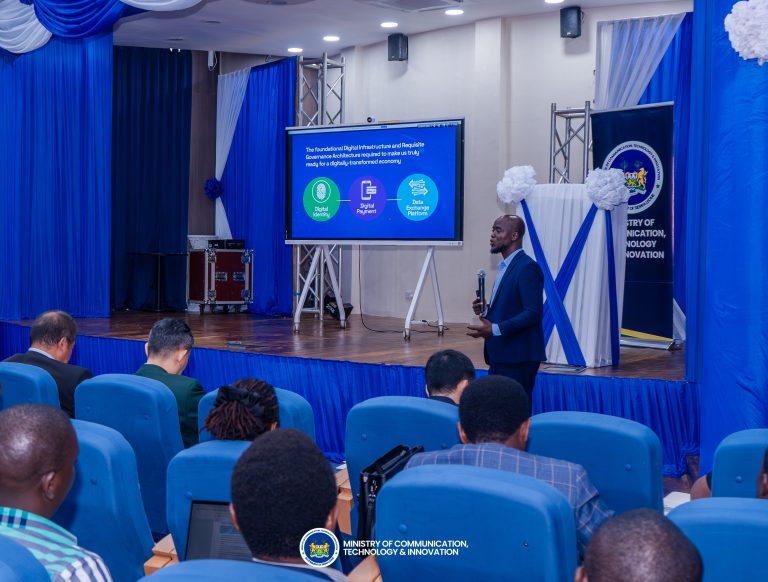
Mr James Kanja Cobba, Director of Policy, Planning and Research, MoCTI, led a presentation on Sierra Leone’s digital transformation landscape. Prof. Michael Geist, a digital trade expert from the International Trade Centre, presented how countries that successfully implemented electronic transaction frameworks did so, showing what works and what fails. Private sector representatives presented what actually happens when frameworks don’t work: disputes lasting weeks, merchants unable to recover stolen funds, consumers with no recourse when goods don’t arrive. Terfa Ashwe, an ITC expert in trade and investment law, tested every recommendation against real scenarios: Would this regulation protect a mobile money operator losing Le2 million to fraud? Would it serve a marketplace-level women trader? Would it help tech hubs supporting youth entrepreneurs?
The government will draft specific regulatory requirements on which government body issues digital certificates, how merchants prove transaction integrity, what dispute resolution looks like, which agency prosecutes fraud and with what speed.

Eunsub Kim, Country Director, KOICA Nigeria
The expected outputs, a gap analysis report with model provisions based on international standards, a policy memorandum on digital payments adoption, and strategic recommendations with sequenced timelines, will form the basis for regulatory action.

Terfa Ashwe, Trade and Investment law and policy expert, ITC
If Sierra Leone succeeds, it demonstrates a replicable model for African countries facing the same implementation gap. The country is simultaneously a test case and a potential template on how to move from comprehensive law to functional regulation in a post-conflict, resource-constrained environment.
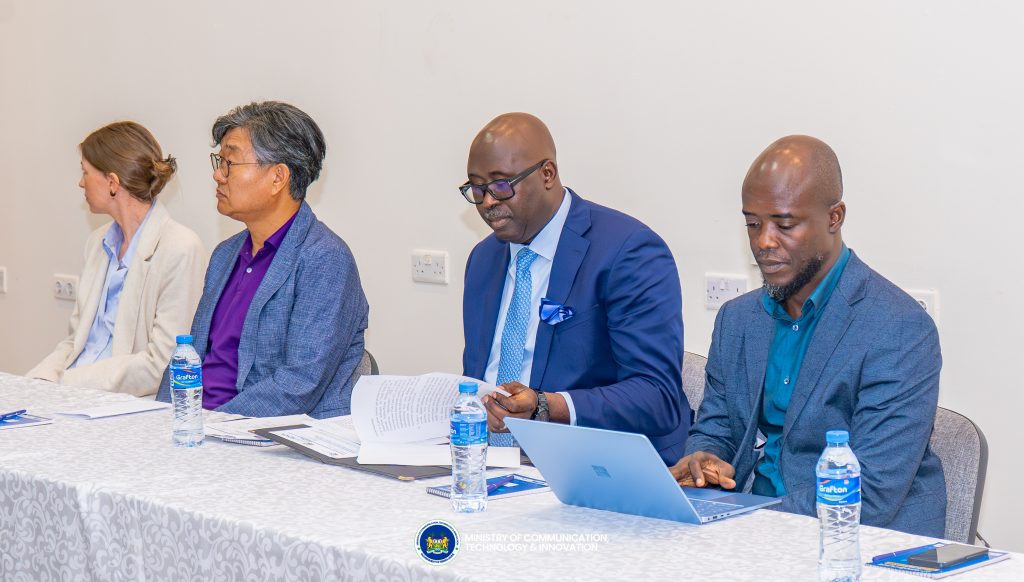
For fintech investors, it shows whether African governments can build the regulatory certainty required for market confidence. For merchants and consumers, it determines whether digital commerce becomes a viable path to economic inclusion or remains a high-risk frontier.
The Electronic Transactions Act 2018 establishes legal recognition for digital commerce. Regulation establishes whether that recognition means anything. Sierra Leone is about to find out, and the continent is watching.
The READY Salone project runs through 2028 and involves the Ministry of Communication, Technology and Innovation (MoCTI), the Ministry of Youth Affairs (MOYA), and the Ministry of Trade and Industry (MTI) in close collaboration with the International Trade Centre.