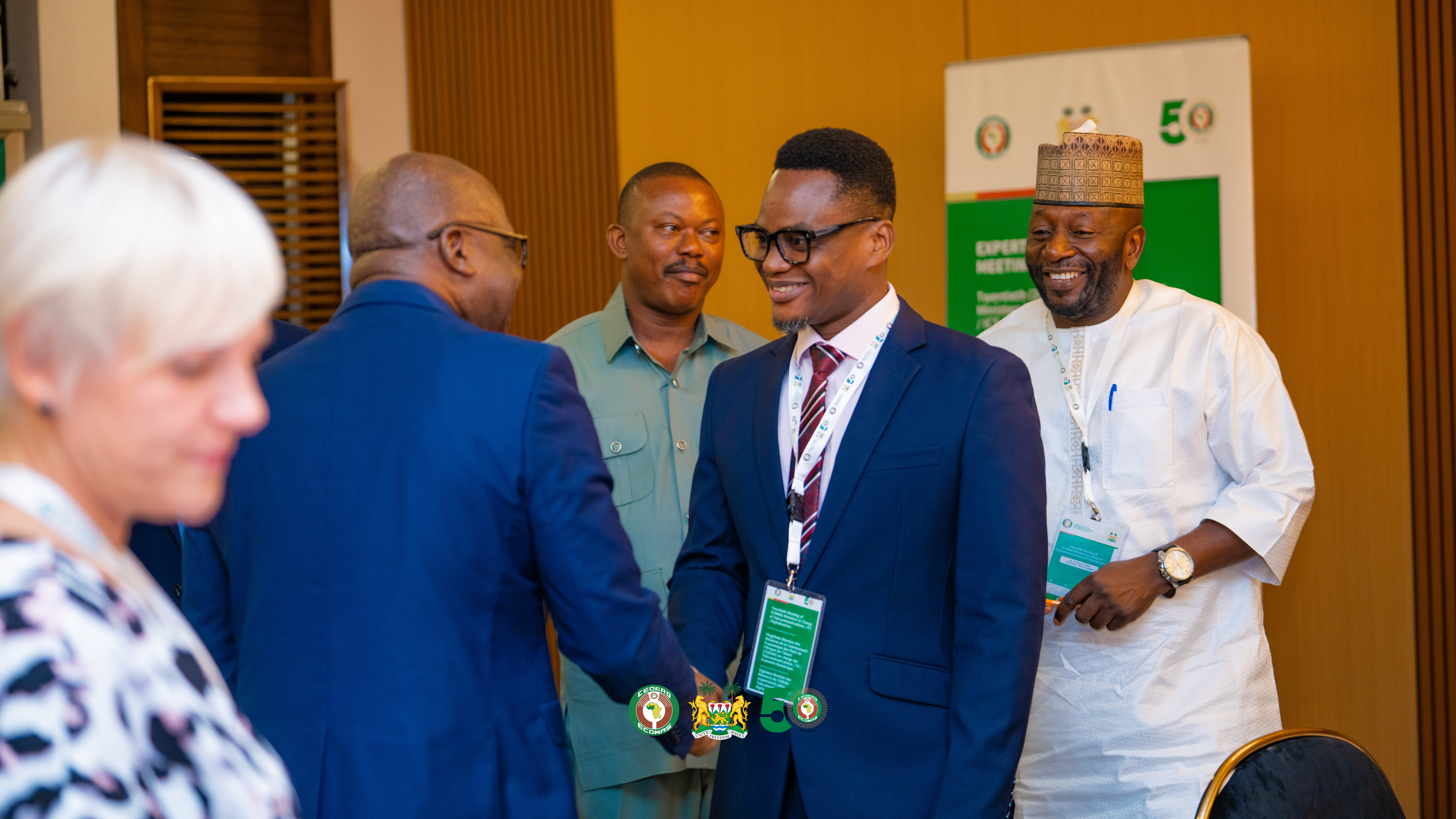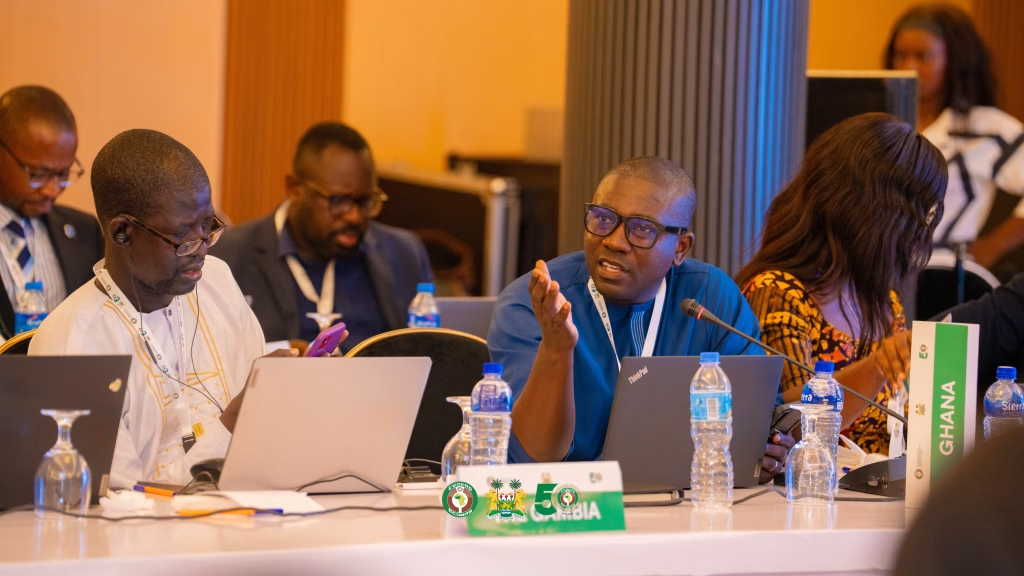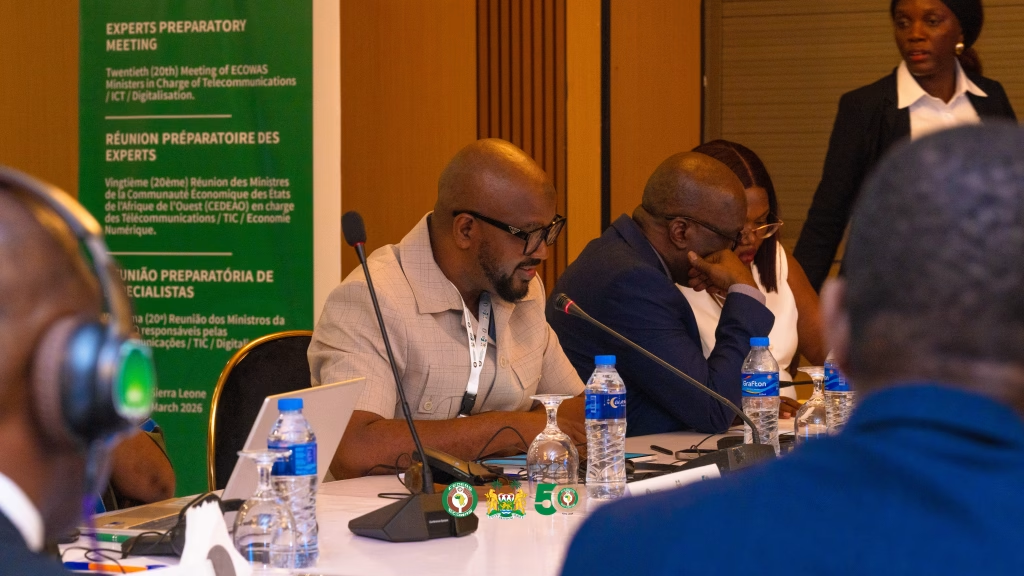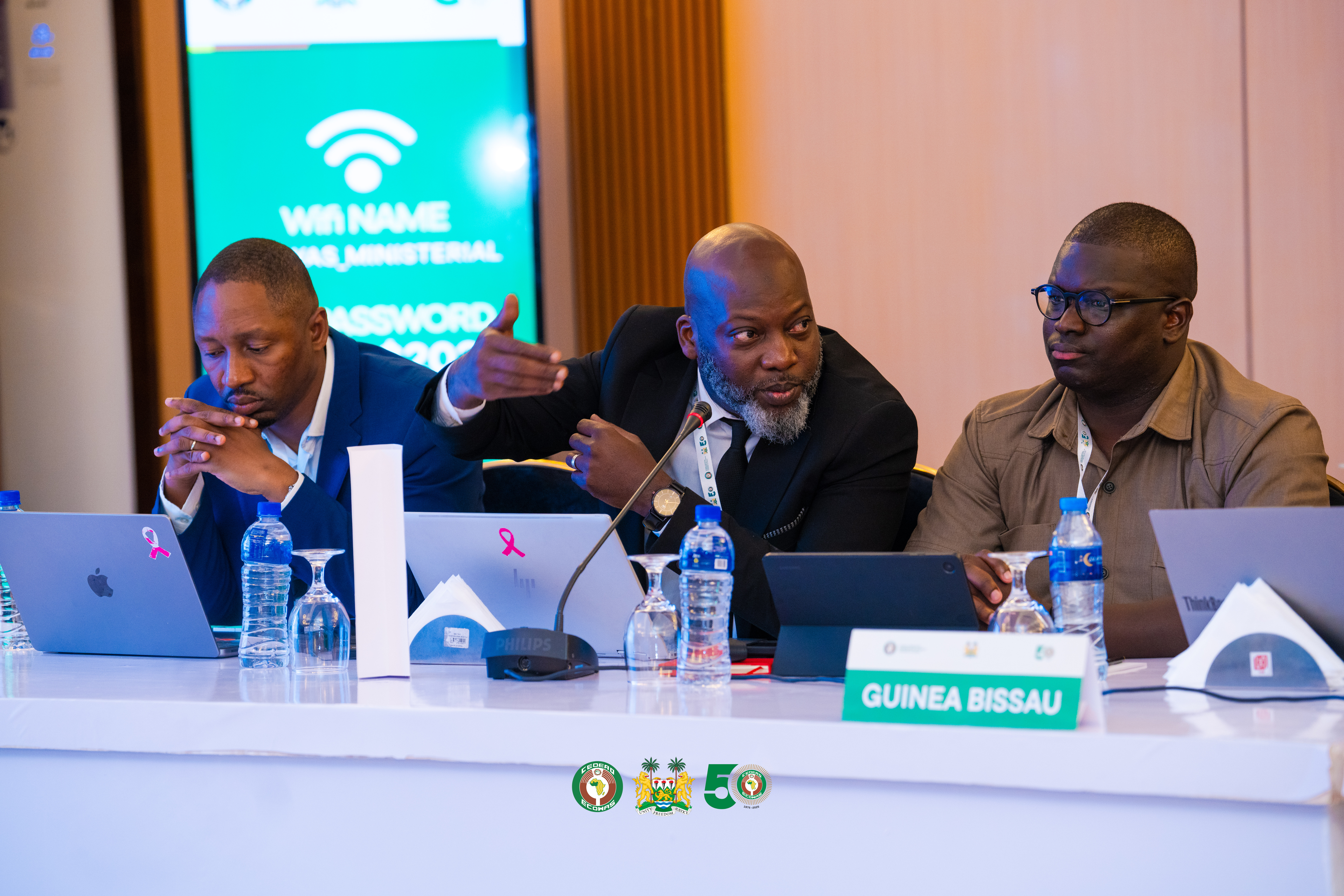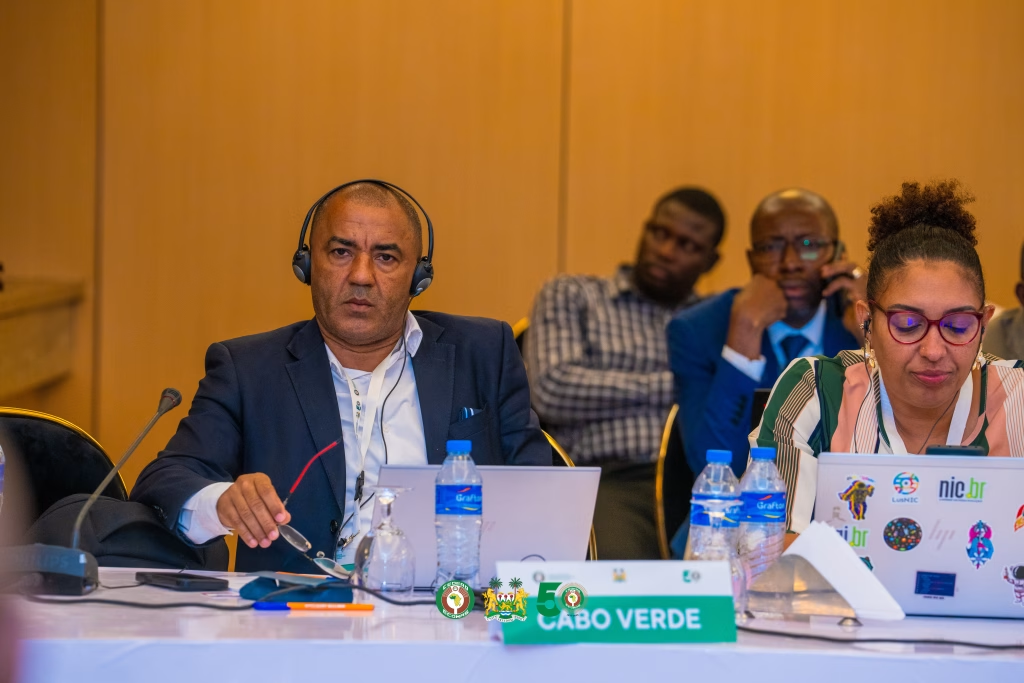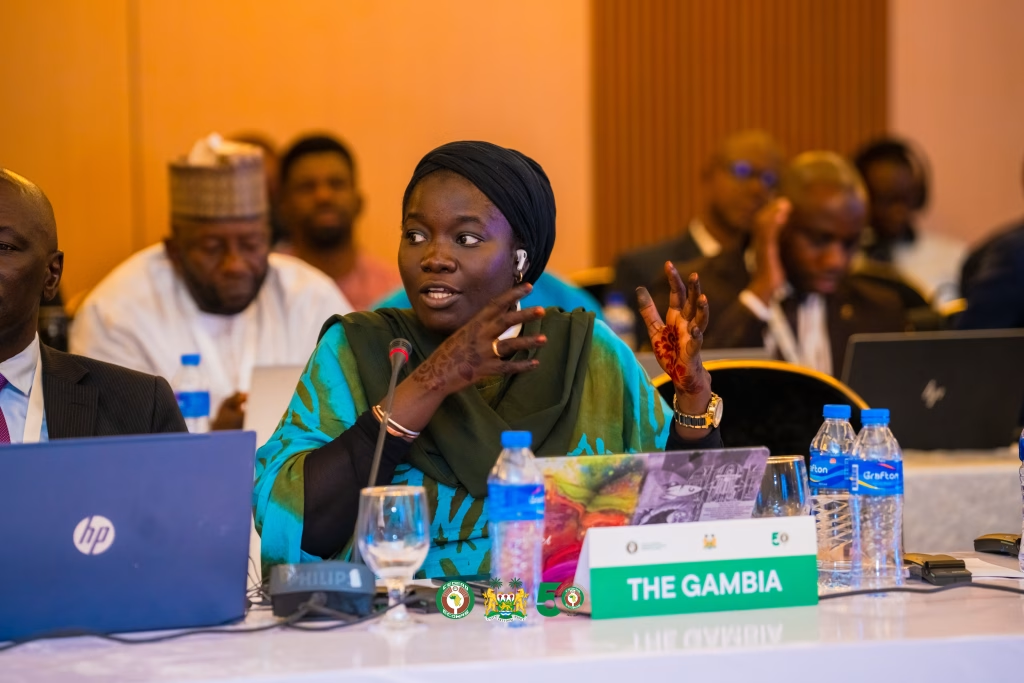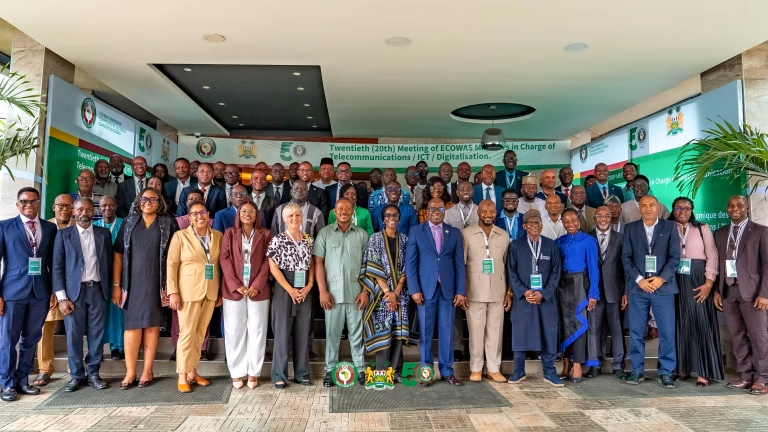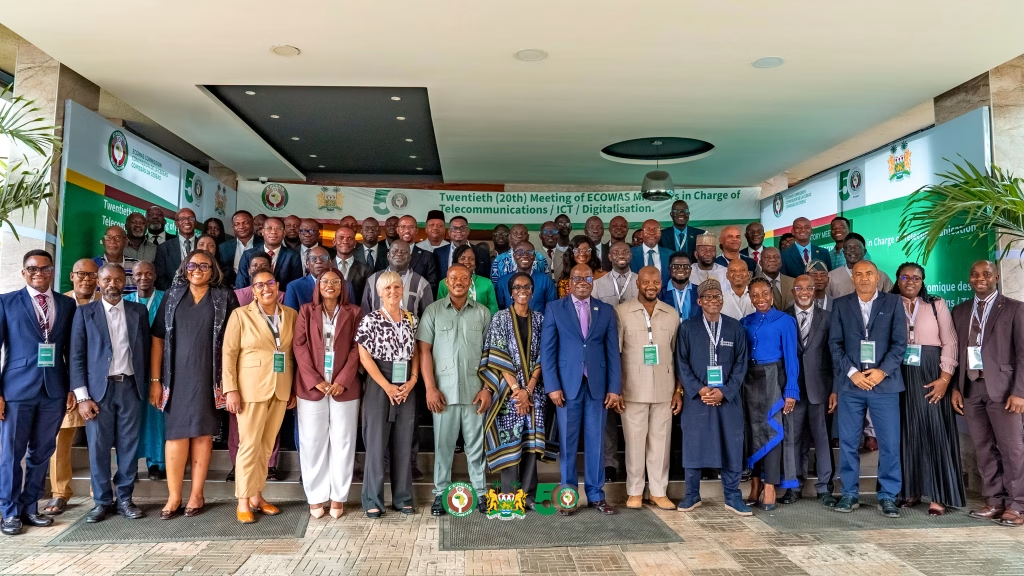
The Economic Community of West African States (ECOWAS) has commenced its 20th Meeting of Ministers in charge of Telecommunications, Information and Communication Technologies (ICT), and Digitalization. The proceedings began with an Experts Preparatory Meeting running from 23 to 25 March 2026, setting the stage for the formal Ministerial Meeting on 27 March.
This high-level session carries significant regional weight, held under the tenure of His Excellency President Dr. Julius Maada Bio in his capacity as the Chairman of the ECOWAS Authority of Heads of State and Government. H.E’s leadership continues to prioritize a “Digital ECOWAS” that leaves no Member State behind, directly mirroring his domestic commitment to inclusive development and shared prosperity.
The gathering serves as a critical platform to inform regional Ministers on the progress of programs conducted by the ECOWAS Commission toward the harmonization of the telecommunications and postal sectors. This year’s assembly brings together over 40 technical experts from 12 Member States and more than 15 representatives from the ECOWAS Commission. They are joined by a powerful coalition of global strategic partners, including the World Bank, GIZ, Smart Africa, and the West Africa Telecommunications Regulators Assembly (WATRA), all working toward a unified digital economy.
The opening session was characterized by remarks that set a clear tone for regional digital sovereignty. H.E. Ambassador John Azumah, ECOWAS Resident Representative in Sierra Leone, framed digitalization as the mandatory “backbone” of inclusive growth, noting that the meeting aligns with ECOWAS Vision 2050, the AU’s Vision 2063, and the UN Sustainable Development Goals.
“Digitalization is no longer optional; it is the backbone of inclusive growth and regional integration. This approach reflects a shared determination to build a resilient and equitable future for all.”
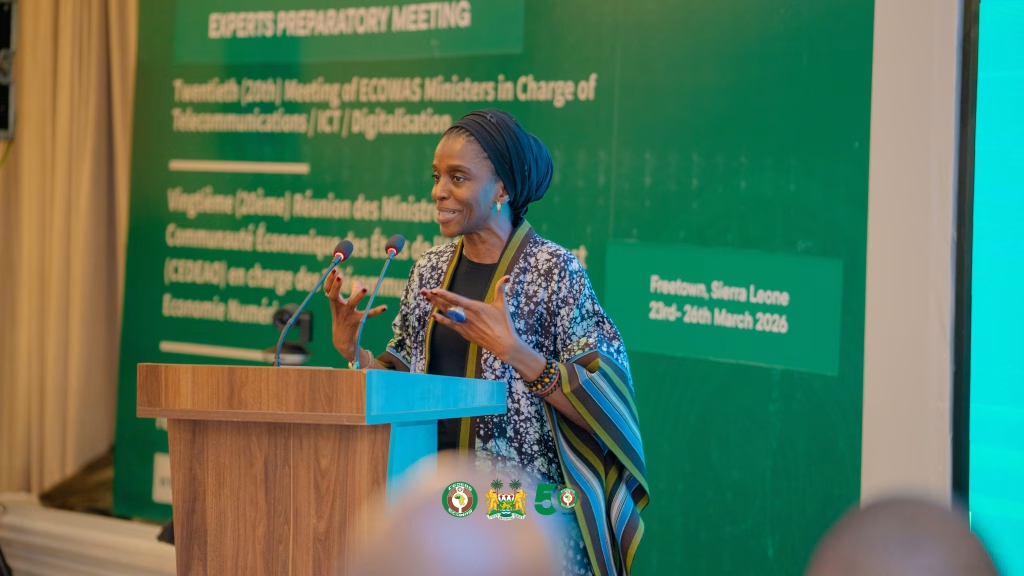
Ms. Folake Olagunju, ECOWAS Director of Digital Economy and Post, emphasized that the technical review of draft instruments is foundational for the region’s next decade of progress. She extended appreciation to partners, including the German Federal Foreign Office, EU, WATRA, and the World Bank, for ensuring ECOWAS remains globally competitive.
“We are not simply reviewing documents; we are shaping the foundations of West Africa’s digital future. Each agenda item is a building block: important individually, but transformative when taken together.”
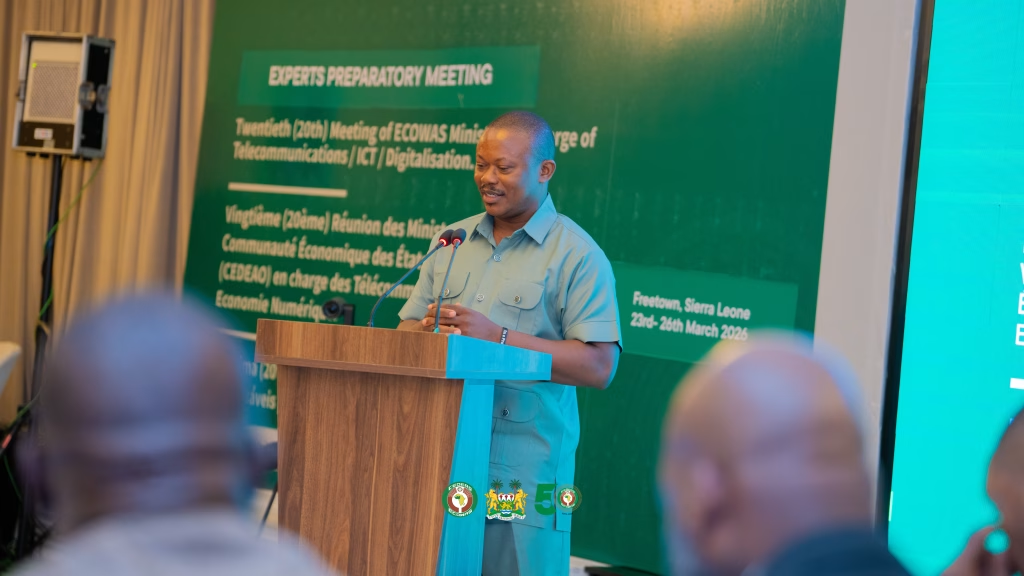
Representing the host nation, Mr. Stevenson Kakpaete Kamanda, Permanent Secretary of MoCTI Sierra Leone, reaffirmed the country’s commitment to ensuring no citizen is left behind. He highlighted that digital technologies have evolved into primary drivers reshaping governance, commerce, and healthcare.
“Sierra Leone is honored to host this meeting. We are committed to fostering innovation and supporting regional efforts that ensure no one is left behind in the digital economy.”
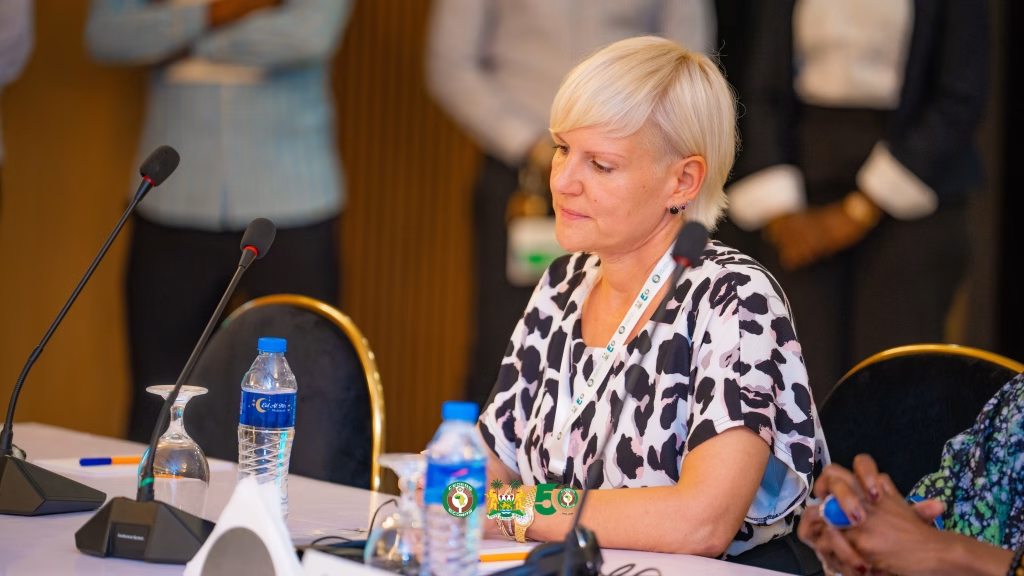
Speaking for the German Government and EU partners (Finland, Belgium, France, and Estonia), Ms. Nina Siegert, GIZ Head of Project, highlighted the Data Governance in Africa Initiative. She noted that the revision of the Supplementary Act on Data Protection is central to a shared Africa-Europe vision of sovereign, trusted digital ecosystems.
“The German Government is committed to supporting ECOWAS in building durable, secure, and interoperable digital systems that empower citizens and drive economic growth.”
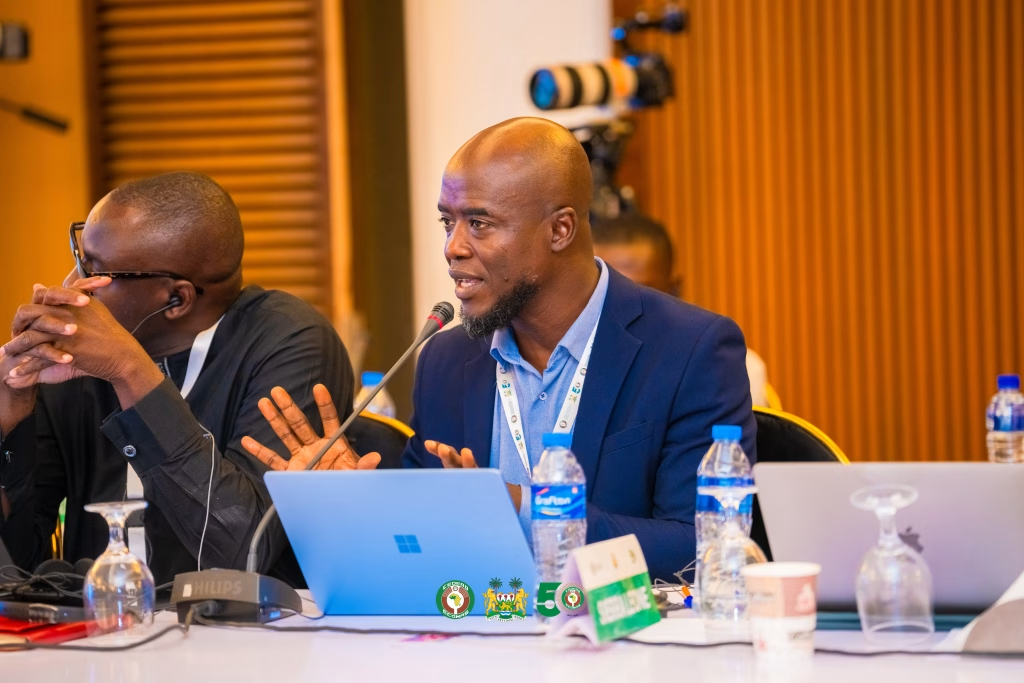
The first day focused on the intensive technical work required to unify West Africa’s digital borders. Following the formal adoption of the agenda, experts deliberated on the Revised Supplementary Act on Personal Data Protection, a landmark instrument designed to safeguard citizen information across all 12 Member States.
The focus then shifted to critical regional infrastructure, evaluating feasibility studies for a Regional Cybersecurity Coordination Centre and a Regional Internet Exchange Point (IXP). These initiatives are central to digital sovereignty, ensuring that local data traffic remains within West Africa to boost service speeds and drastically lower costs for end-users.
Finally, the session prioritized the “Roam Like at Home” initiative, reviewing regulations to eliminate cross-border roaming barriers. Throughout the deliberations, delegates grounded their work in the vision of President Julius Maada Bio, that development must be inclusive so that every citizen, regardless of age, gender, or location, benefits from shared prosperity. These finalized recommendations will be presented to the Honourable ECOWAS Ministers for formal adoption later this week.