Freetown, Sierra Leone, August 14, 2025 – For years, Sierra Leone’s public institutions have struggled with fragmented data systems, incomplete records, and inconsistent standards, challenges that have slowed decision-making, weakened service delivery, and eroded public trust in government information systems.
In an era where data is the backbone of modern economies, this gap has not only affected development planning but also left citizens uncertain about how their personal information is collected, stored, and used.
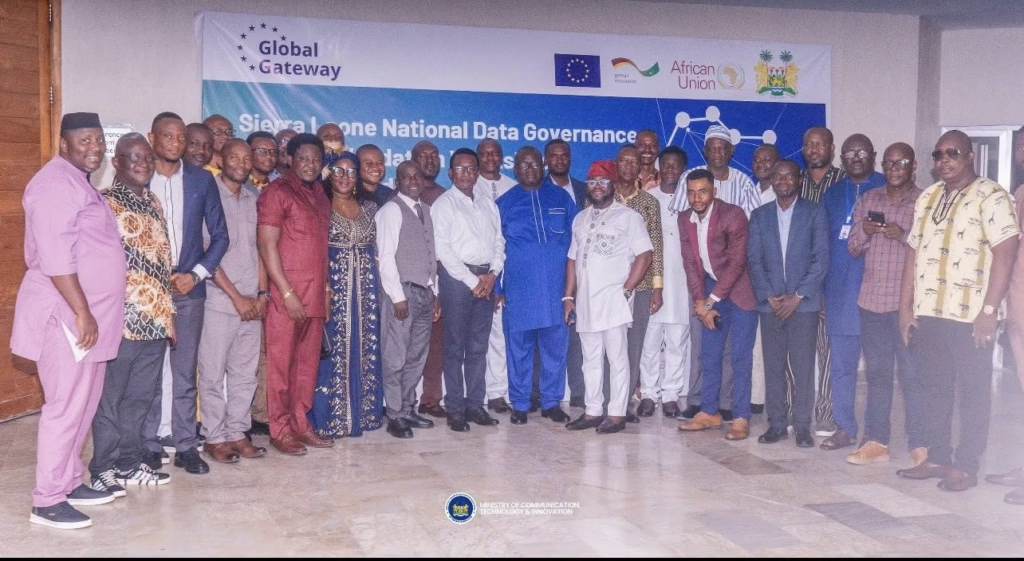
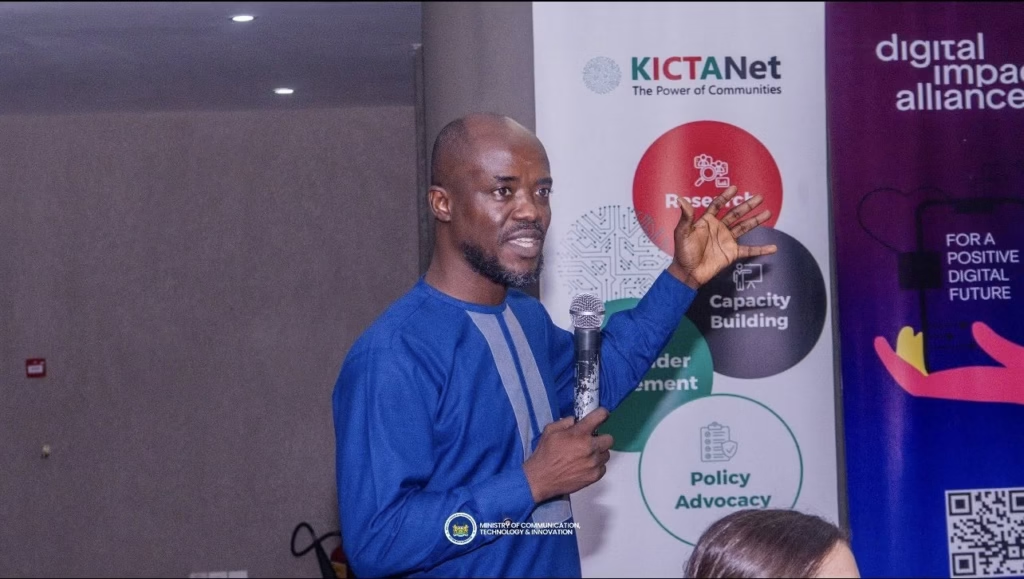
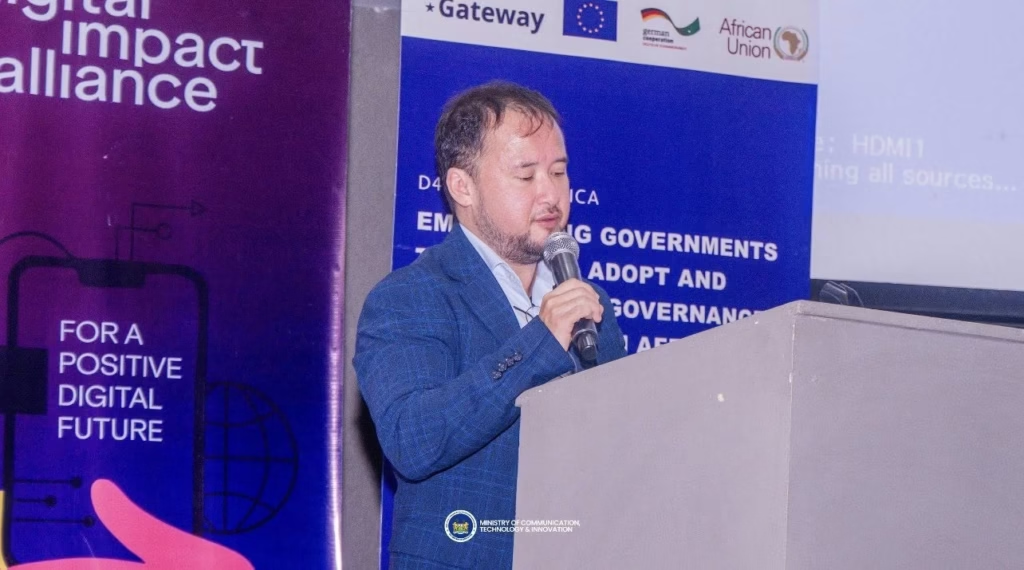
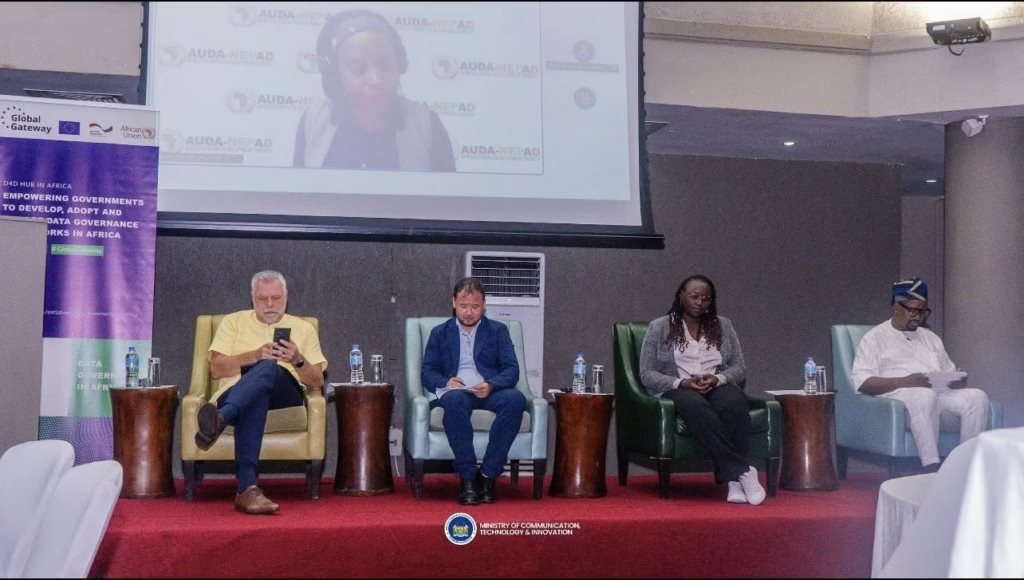
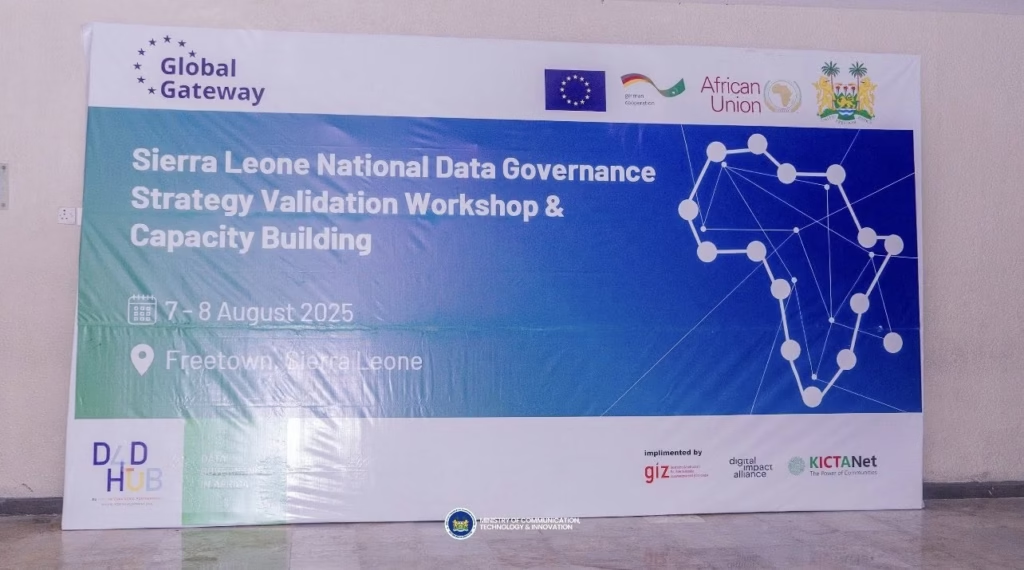
Recently, the Ministry of Communication, Technology and Innovation (MoCTI) took a major step to address these challenges by convening a technical validation workshop at the Radisson Blu Hotel in Freetown. The session marked the final stage before the launch of Sierra Leone’s first National Data Strategy, an ambitious plan aimed at transforming the way the country collects, manages, shares, and safeguards data.
The Permanent Secretary of MoCTI, Stevenson Kamanda in welcoming participants, described the strategy as “a foundational shift for Sierra Leone’s digital future” and stressed the need for strong institutional collaboration. “This is not just a document. It is a blueprint for how we treat data as a national resource that can drive service delivery, accountability, and innovation,” he said.
Emphasizing the continental importance of Sierra Leone’s step, the Senior Policy Analyst of AUDA-NEPAD, Madam Christelle Onana stated “By validating and soon implementing this strategy, Sierra Leone is not only positioning itself among Africa’s leaders in data governance, but it is also aligning with the African Union’s digital transformation goals, which seek to ensure data benefits every citizen, everywhere on the continent.”
Speaking to attendees, the Country Director of GIZ Sierra Leone, Raphael Frerking, noted the organization’s support through the Data Governance in Africa Initiative which is implemented under the Digital for Development (D4D) Hub. “Our role has been to work alongside the Government of Sierra Leone to ensure that this strategy is not only technically sound but also inclusive, participatory, and fit for the country’s long-term development vision,” he added.
In addition, the Acting Head of Cooperation at the European Union Delegation to Sierra Leone, Holger Rommen, commended the process and its alignment with international standards. “The EU is proud to co-fund this initiative. Data is a global currency, and countries that manage it well can unlock enormous opportunities for their citizens. Sierra Leone is taking a vital step in that direction,” he said.
Delivering the keynote address, the Chief Director at the Ministry of Communication, Technology and Innovation, Mumuni Jalloh, described the strategy as “a commitment to place people at the centre of our digital transformation.” She outlined its three core pledges: to treat data as a public asset, to ensure equity and inclusion in all data policies, and to align the country’s vision with African Union and ECOWAS digital transformation goals. “This is about building trust, ensuring that data serves the public good, and creating a solid foundation for our digital economy,” the Minister said.
The two-day engagement began with a high-level training session on data governance principles, frameworks, and operational dimensions to build a common understanding among government actors. The second day was dedicated to reviewing the draft strategy to ensure it reflects Sierra Leone’s national priorities and operational realities.
Built on the Digital Development Policy (2023–2029) and designed to work alongside the forthcoming Digital Government Bill, the strategy aims to break down institutional silos, enhance service delivery, and empower citizens through better access to reliable data.
With its completion, Sierra Leone becomes the second country in West Africa, after The Gambia, to transition from digital frameworks to decisive national action under the African Union-backed Data Governance in Africa Initiative.