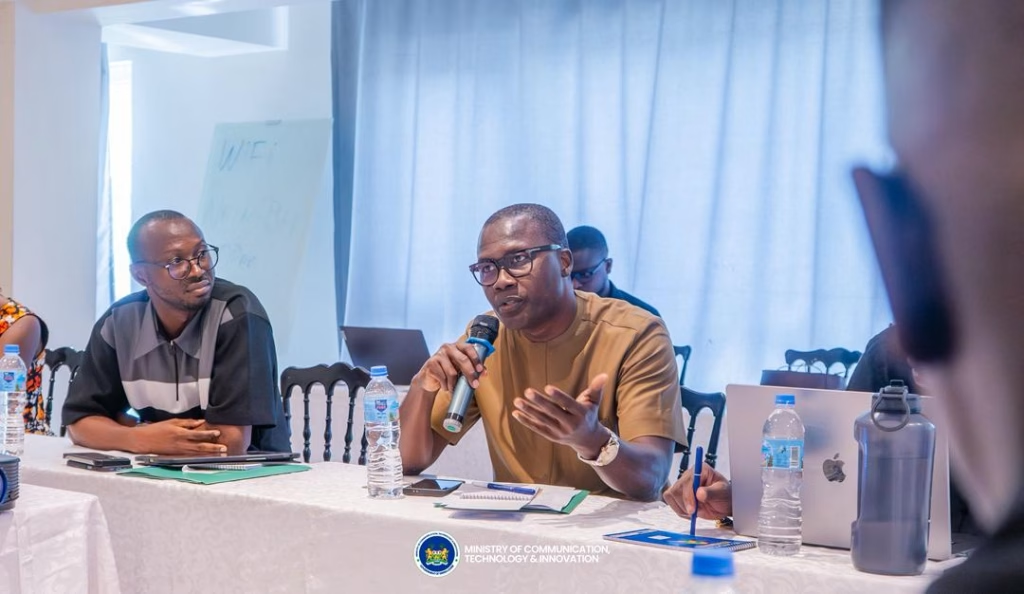
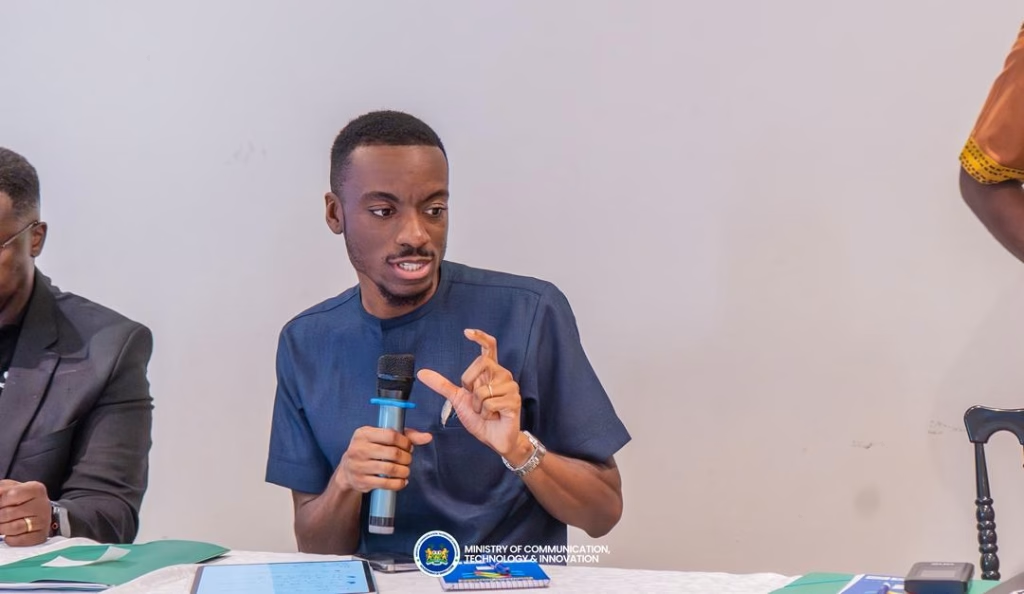
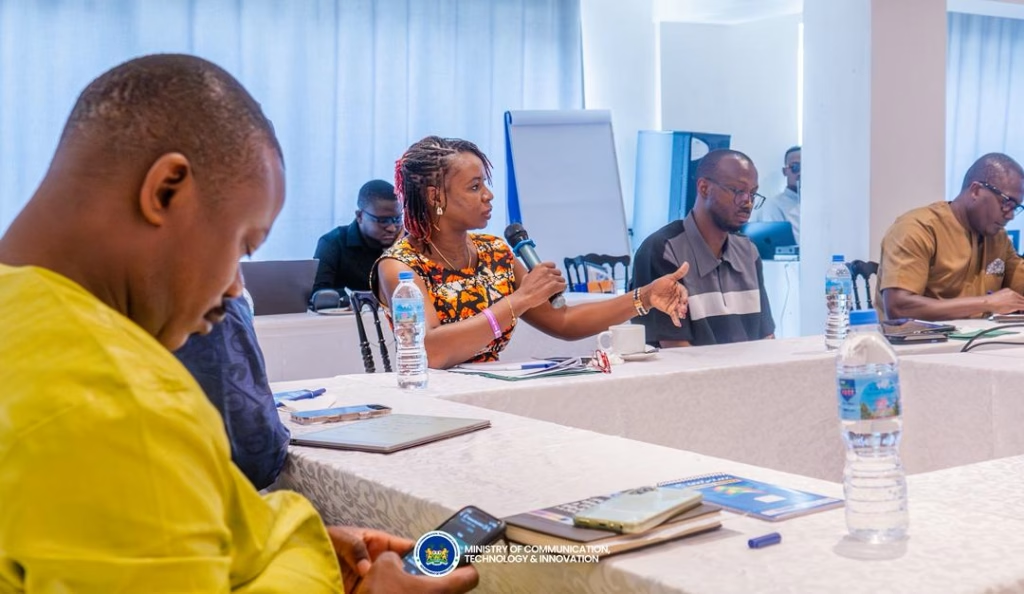
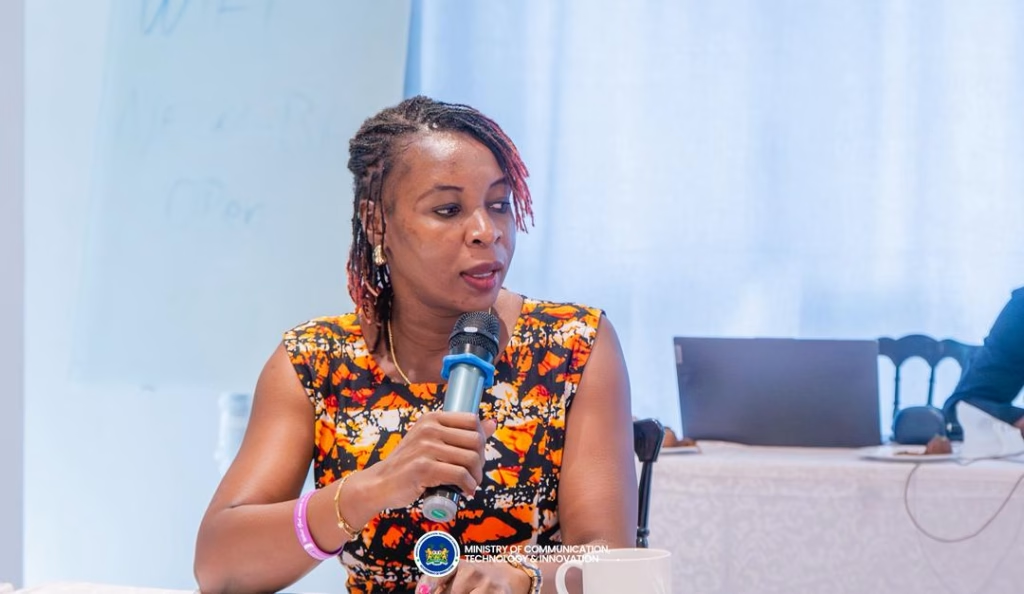
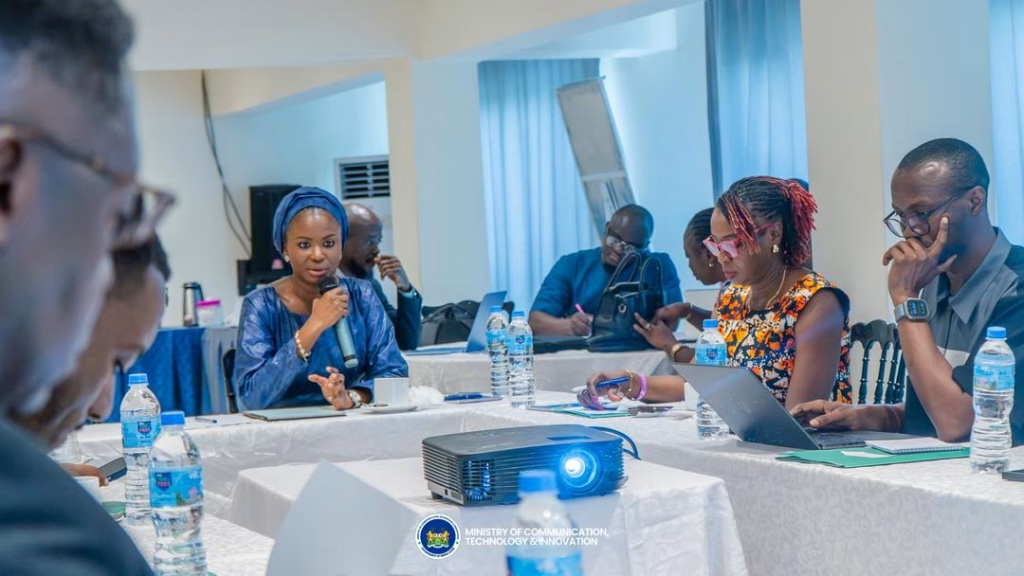
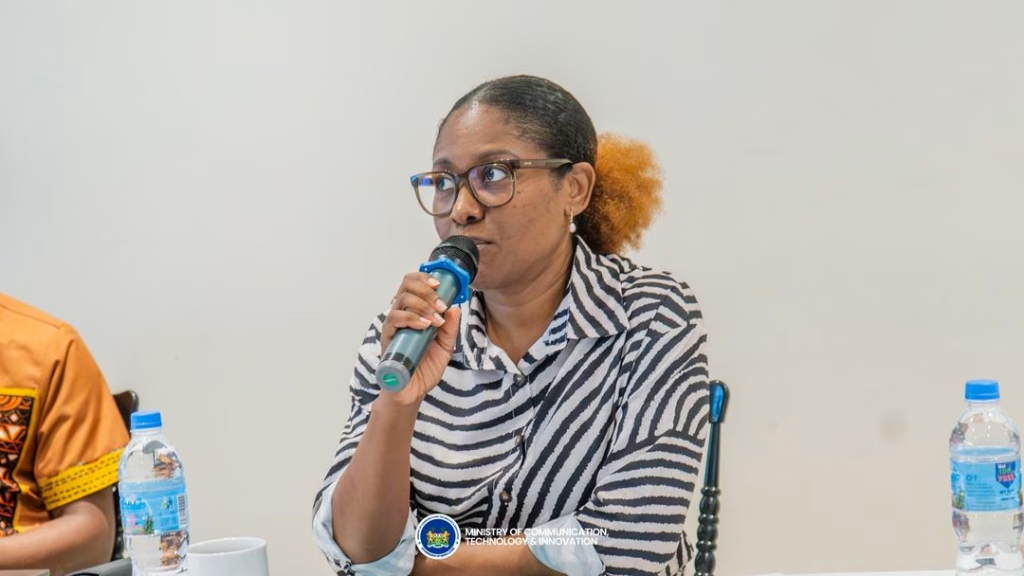
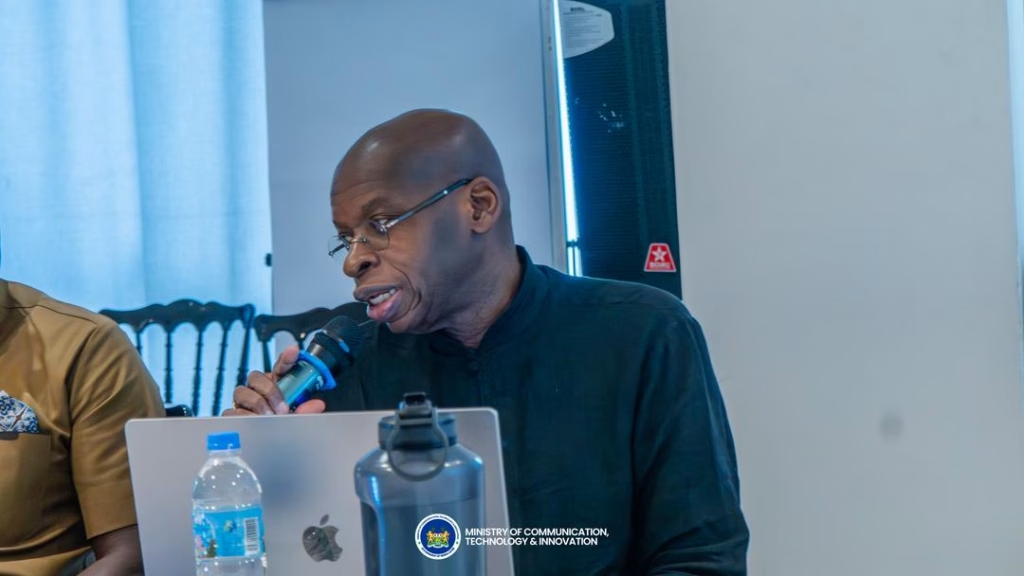
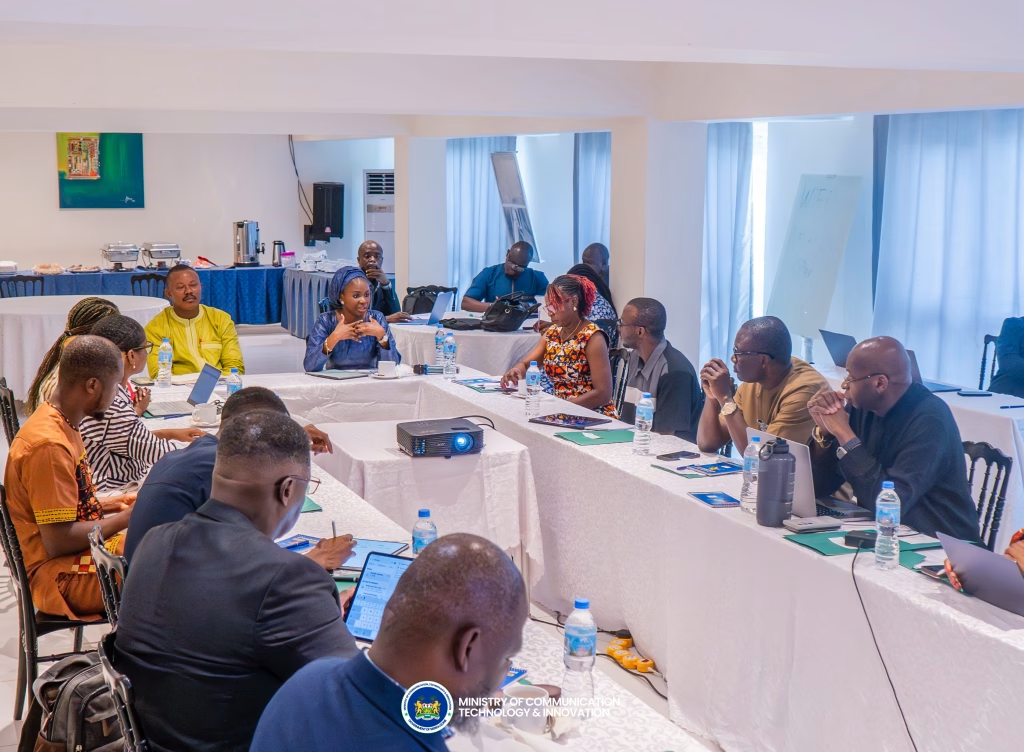
Sierra Leone is transitioning from isolated pilot initiatives to a more coordinated national approach aimed at driving digital economic growth and creating tangible opportunities for people and businesses. Supporting this effort is the Technology, Innovation, and Entrepreneurship Advisory Council (TIEAC), which held its inaugural meeting at the New Brookfields Hotel.
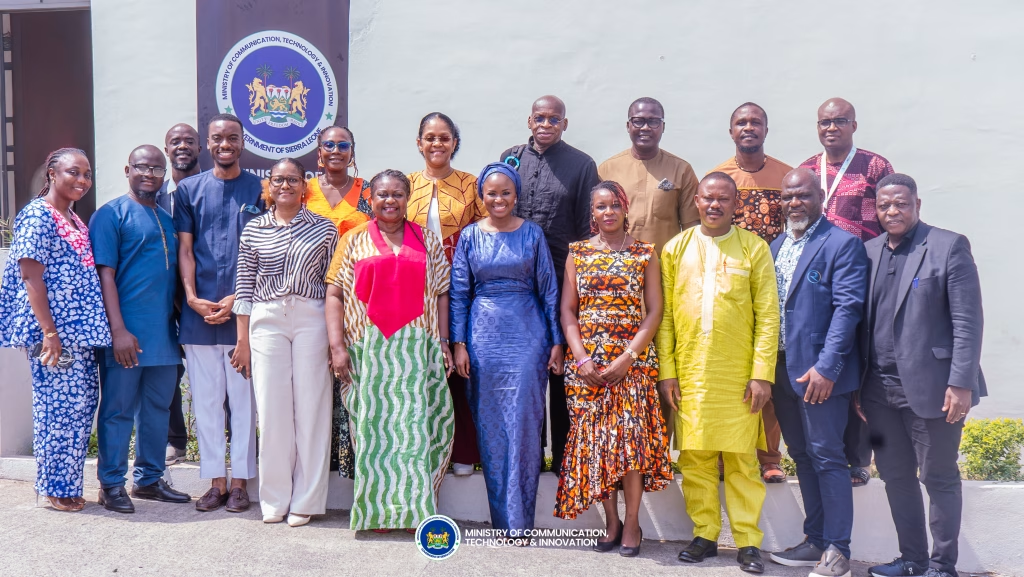
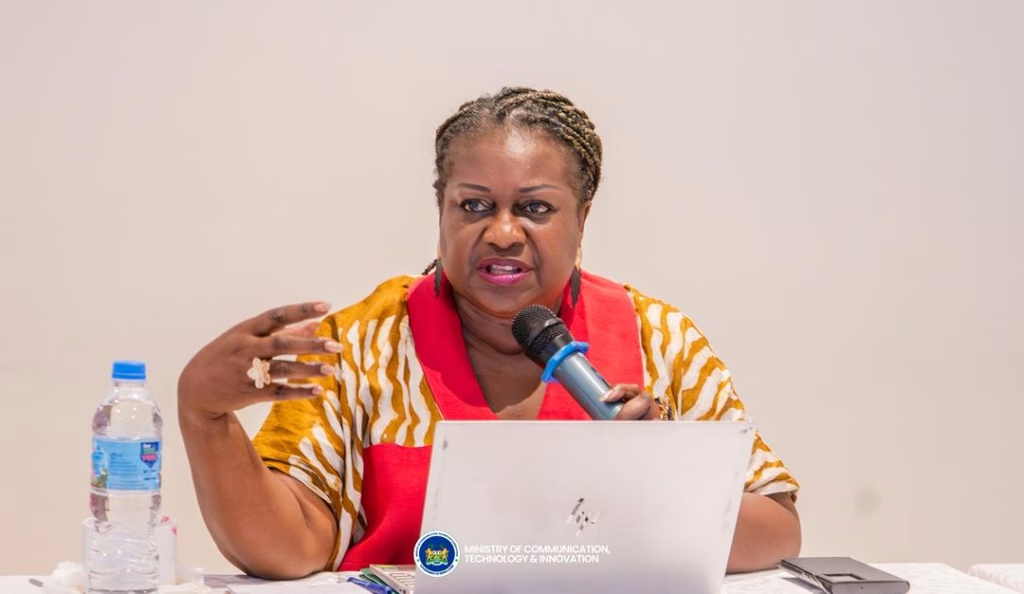
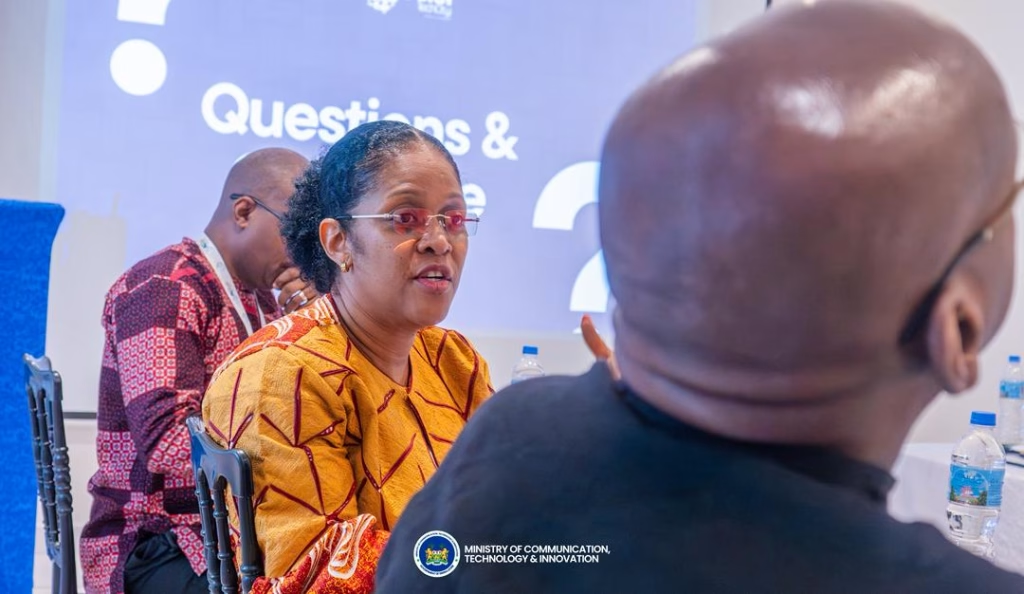
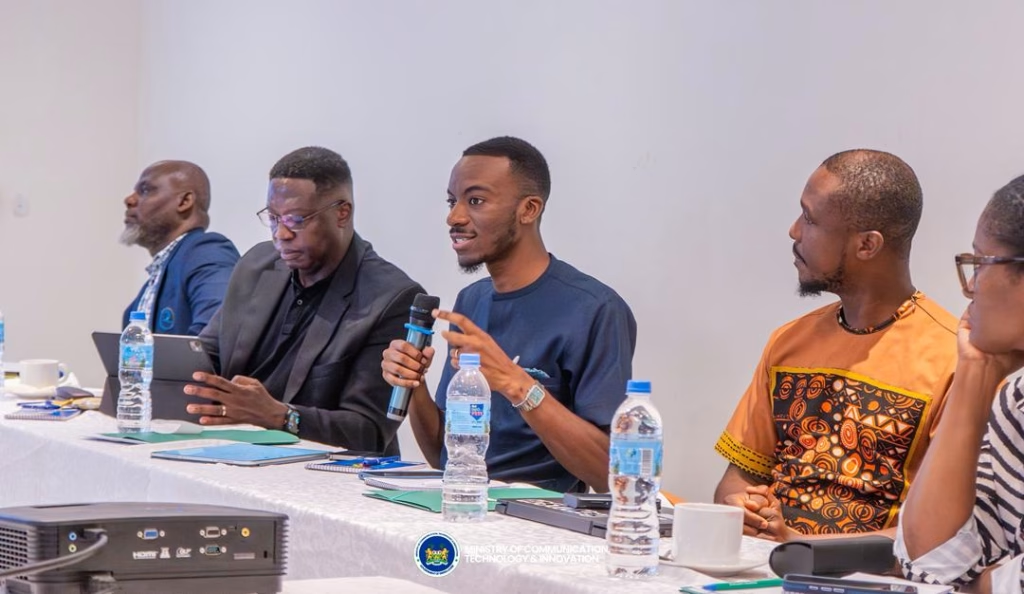
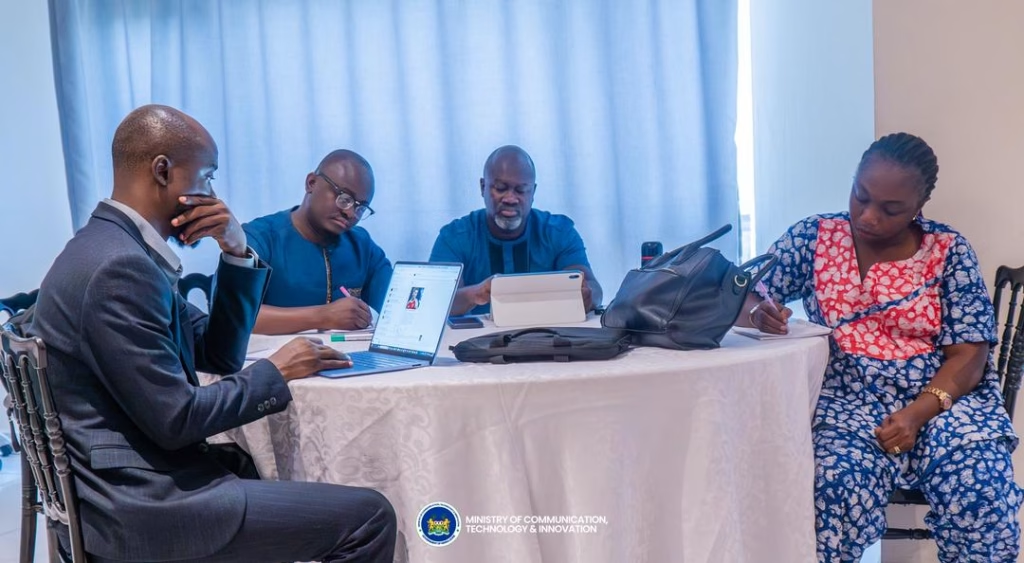
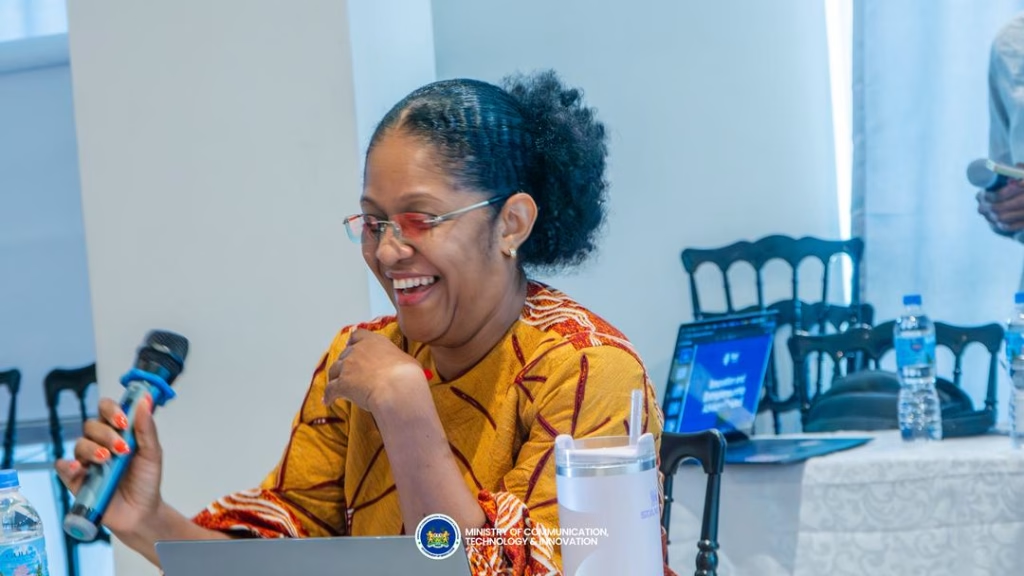
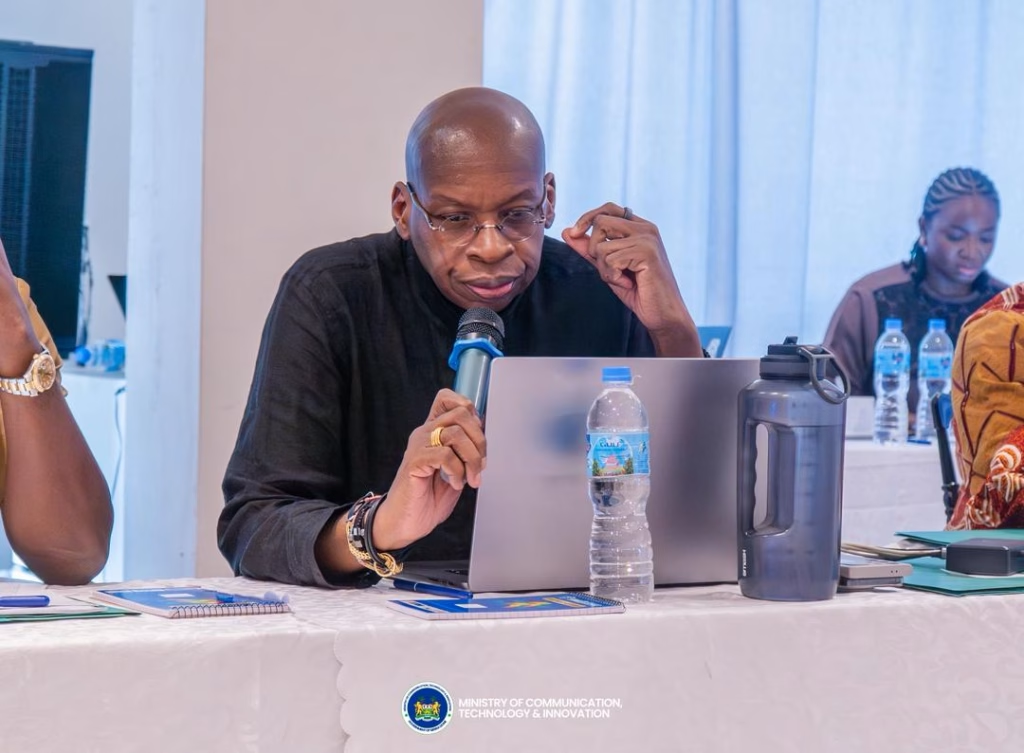
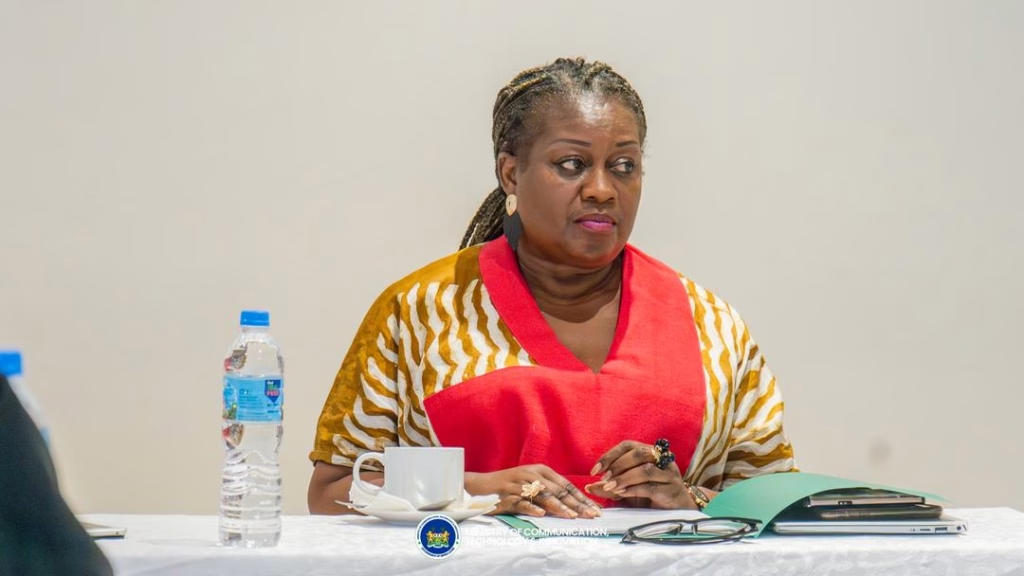
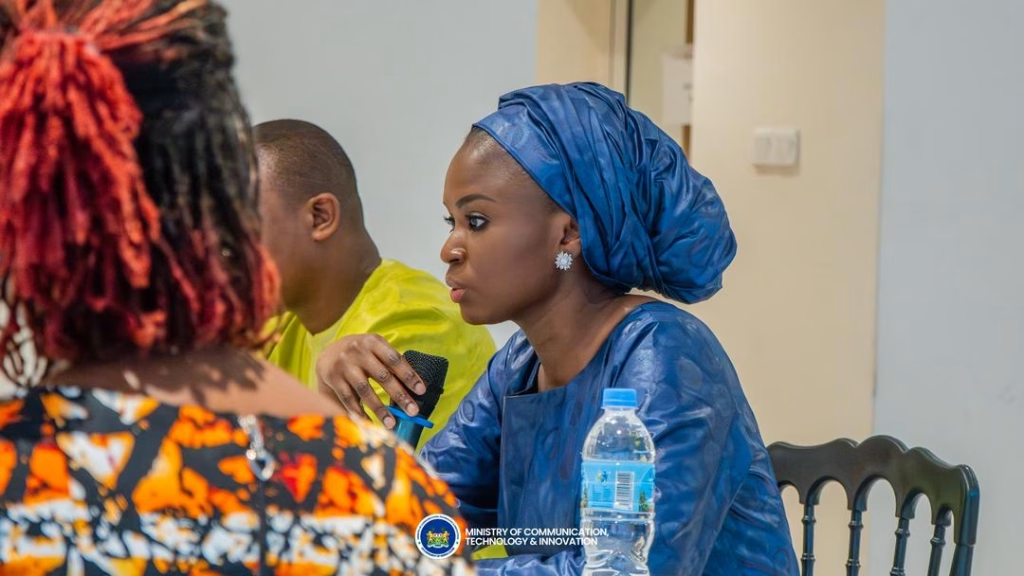
The Minister and some Council members after a productive inaugural session in Freetown
Established as a high-level consultative body, the Council serves as a strategic platform for structured engagement between the ministry, the private sector, and academia. Its mandate is to co-create and guide national strategies, ensuring that flagship programmes are grounded in the practical realities of the innovation ecosystem. By providing expert oversight and identifying policy bottlenecks, the Council acts as a bridge between ministerial vision and the entrepreneurs,investors, and civil society actors driving Sierra Leone’s digital economy.
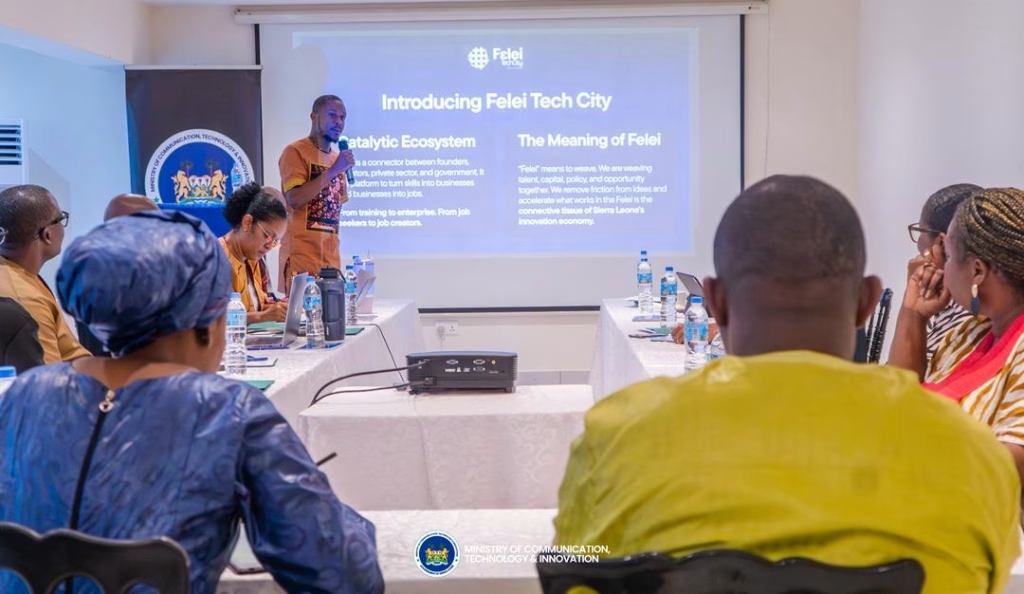
The centerpiece of this strategy is Felei Tech City, a smart city in the Bo District. Derived from the local word for “to weave,” Felei is designed to be the connective tissue between government and the tech innovative ecosystem, bringing together talent, private capital, and legislative policy. With land already secured and the African Development Bank (AfDB) funding comprehensive feasibility studies, the project has transitioned from a high-level concept to a pending reality.
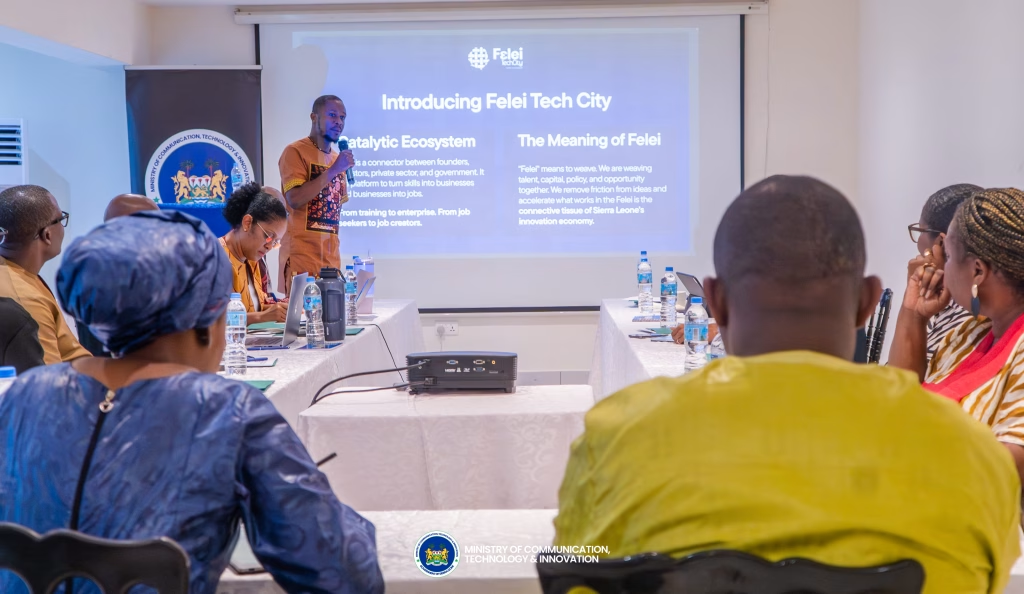
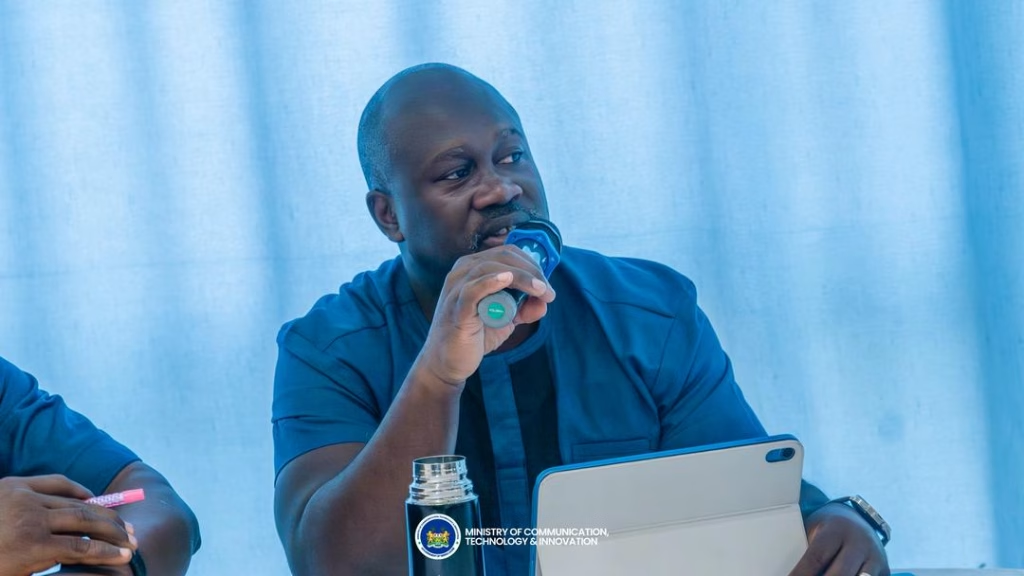
The CEO of Felei Tech City, David Manley shares the roadmap for our nation’s first smart city and innovation hub.
The Council reviewed the framework for the Sierra Leone Innovation Investment Fund (SLIIF), which has set a bold target of $150 million over the next five years. The fund is proposed to serve as a national blended-finance platform that mobilizes public, private, and development capital to accelerate digital infrastructure, build future-ready skills, de-risk private investment, and scale innovative enterprises, positioning Sierra Leone as a competitive hub for innovation and inclusive growth.
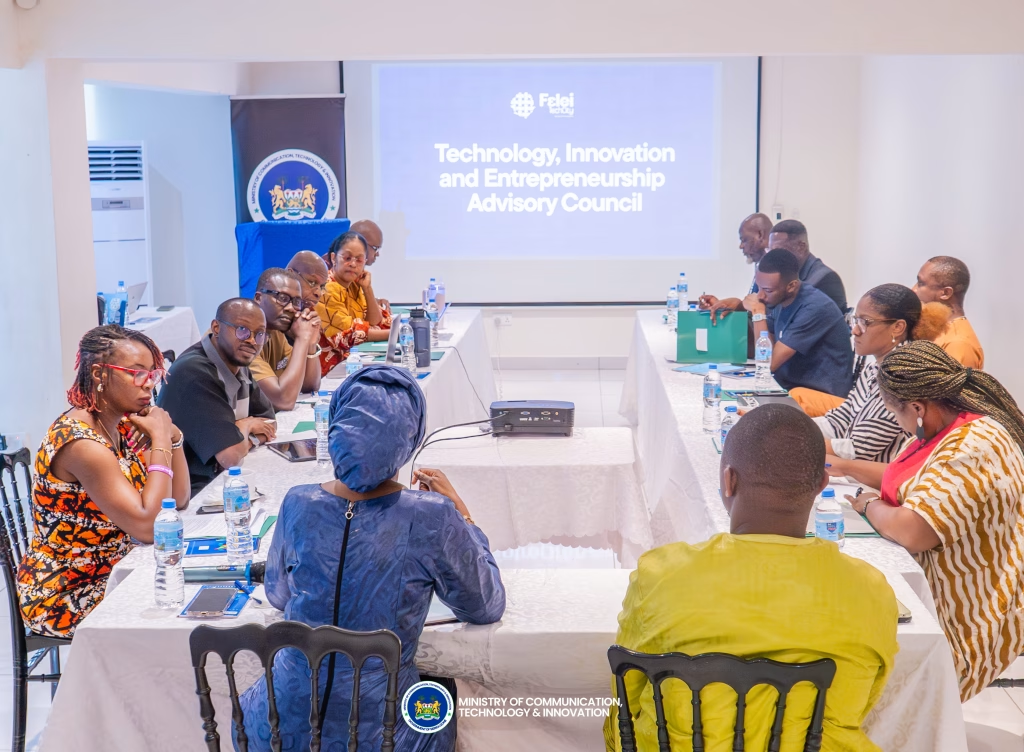
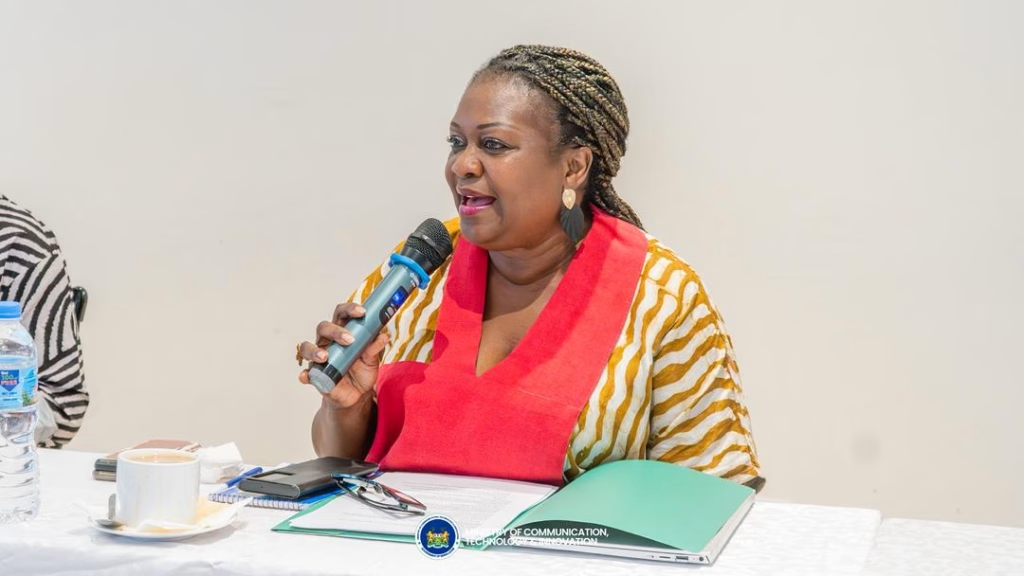
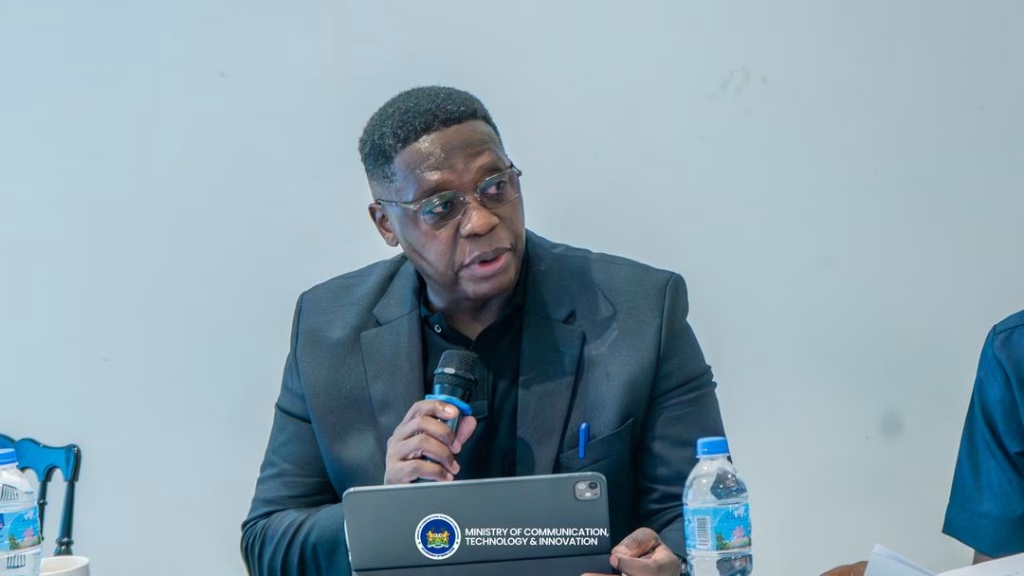
Public and Private Sector Leaders
As the Ministry rolls out its 2026 Workplan, aiming to reach over 25,000 beneficiaries, the focus is on decentralizing opportunity. Key projects include:
- 16 District Learning Hubs: Ensuring that digital literacy and STEM education reach all 16 districts, not just Freetown.
- Frontier Tech in Local Dialects: Developing Large Language Models (LLMs) in Krio, Mende, and Temne to ensure AI tools are accessible to every citizen.
- The Startup Act: Formalizing a legislative environment through the “Innovation Spotlight” to provide tangible incentives for founders and protect intellectual property.
Four strategic recommendations emerged from the Council meeting:
- Closing the Entrepreneurial Deficit: Council members emphasized that infrastructure alone is insufficient. There is an urgent need for structures such as Venture Studios to cultivate a deeper, scientific understanding of entrepreneurship among local founders.
- Felei Tech City (FTC) governance structure: Council members strongly endorsed Felei Tech City as the flagship intervention, emphasizing that it must be positioned as a system-level platform and pocket of excellence, not a real estate project, with a clear investment profile, strong incentives, and high standards of execution. Several governance options were proposed for further consideration, including structuring FTC as a Special Purpose Vehicle, a state-owned enterprise with private-sector and ecosystem shareholding, or establishing it through legislation with SLIIF embedded.
- Ecosystem Coordination: FTC, under ministerial leadership, convenes the private-sector ecosystem to address the current fragmentation by catalyzing the formation of a unified association of Entrepreneurship Support Organisations (ESOs), with ownership, standards-setting, and formal registration led by the ecosystem itself. In parallel, it is recommended that an FTC Unified Platform be developed as a shared digital community and resource hub to coordinate ecosystem actors and support sustainable growth.
- Cross-Border Integration: The Council underscored the necessity of government-backed links to allow Sierra Leone’s startups to expand into the wider MRU-ECOWAS region.
By focusing on the compound effect of a unified platform, Sierra Leone is setting itself up as a regional testbed for digital public goods, with a goal to ensure the next generation of West African tech giants are built, funded, and scaled from within Sierra Leone.