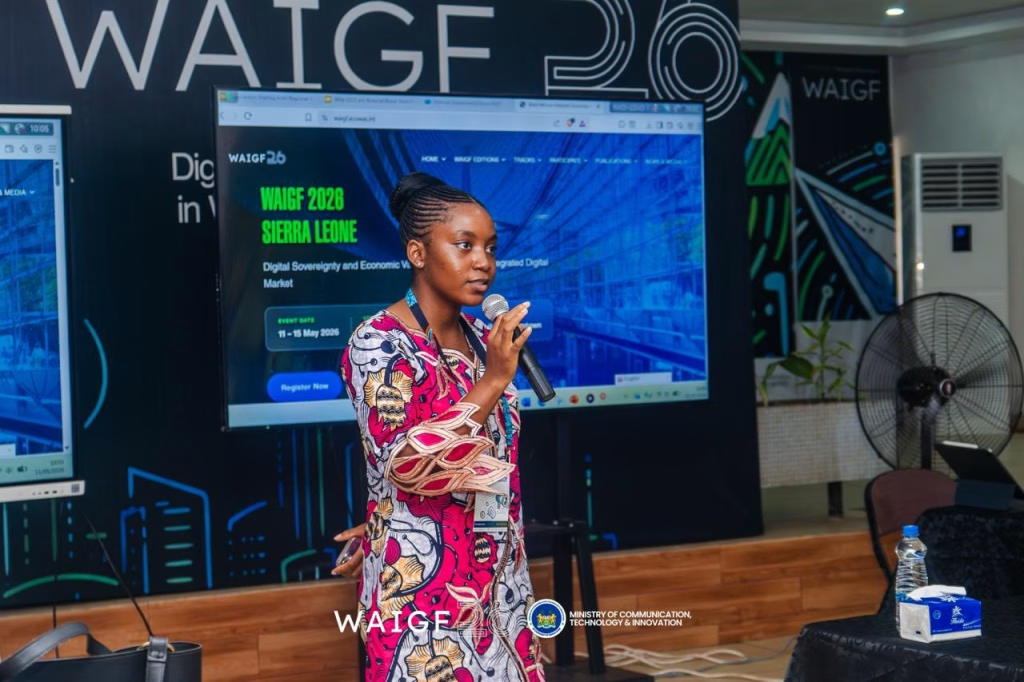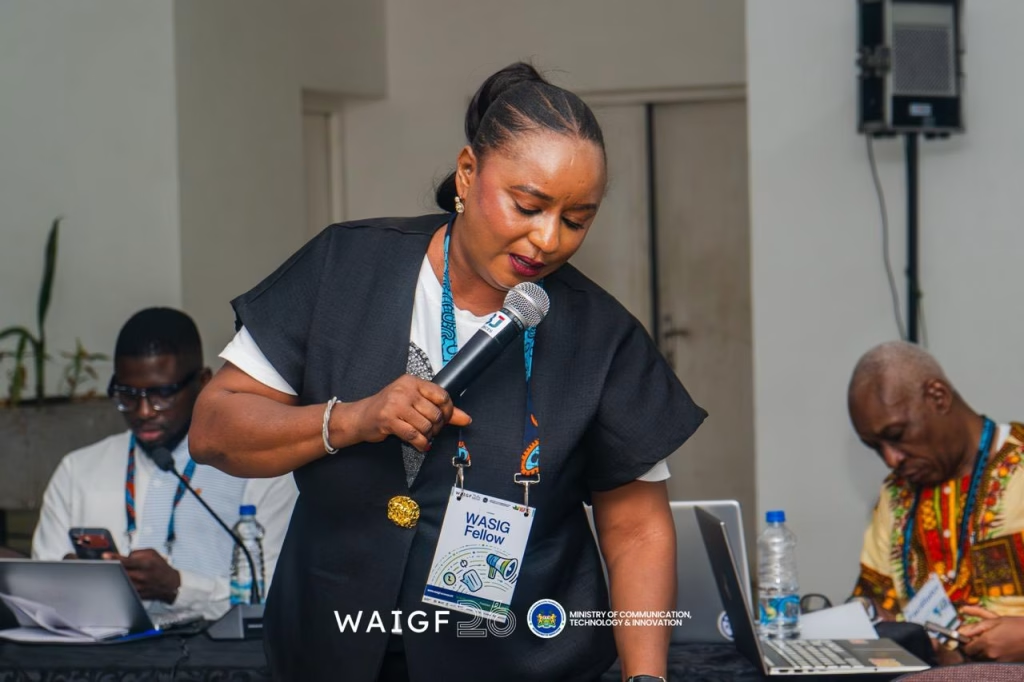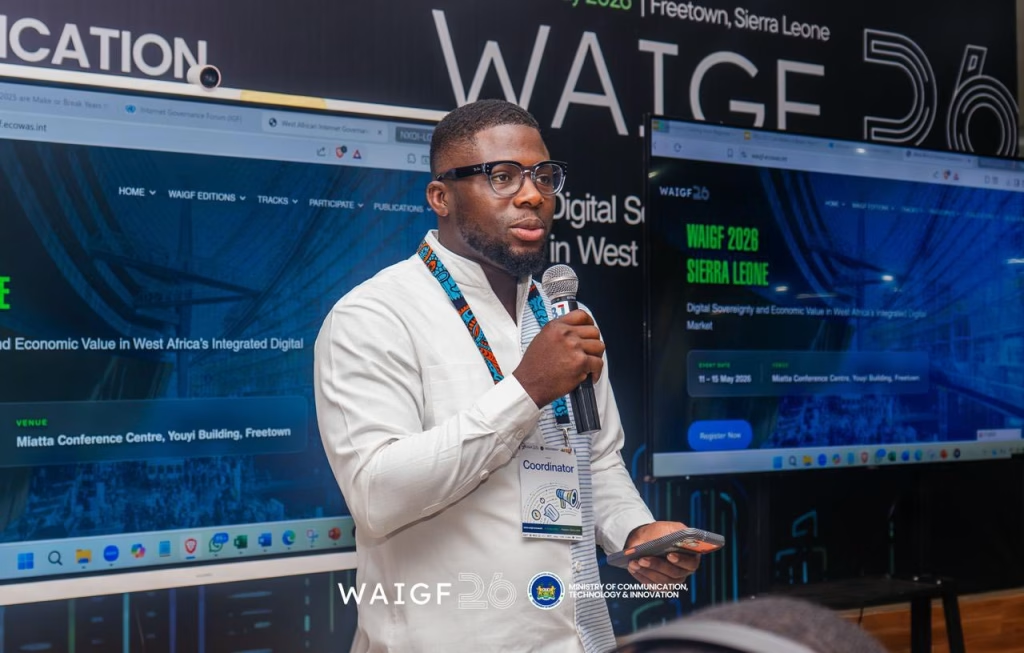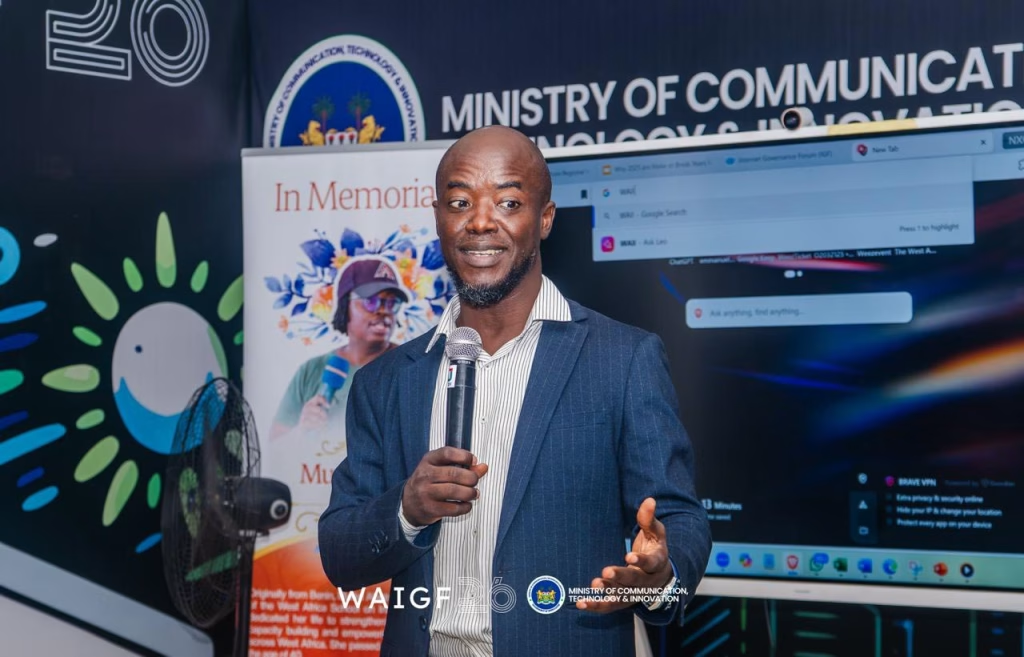
Freetown is hosting the 2026 edition of the West Africa School on Internet Governance (WASIG), a regional capacity-building programme designed to strengthen how West Africa engages with internet governance and digital policy processes. The program brings together policymakers, young professionals, civil society actors, academics, and technical experts to build practical understanding of the systems shaping today’s digital environment.
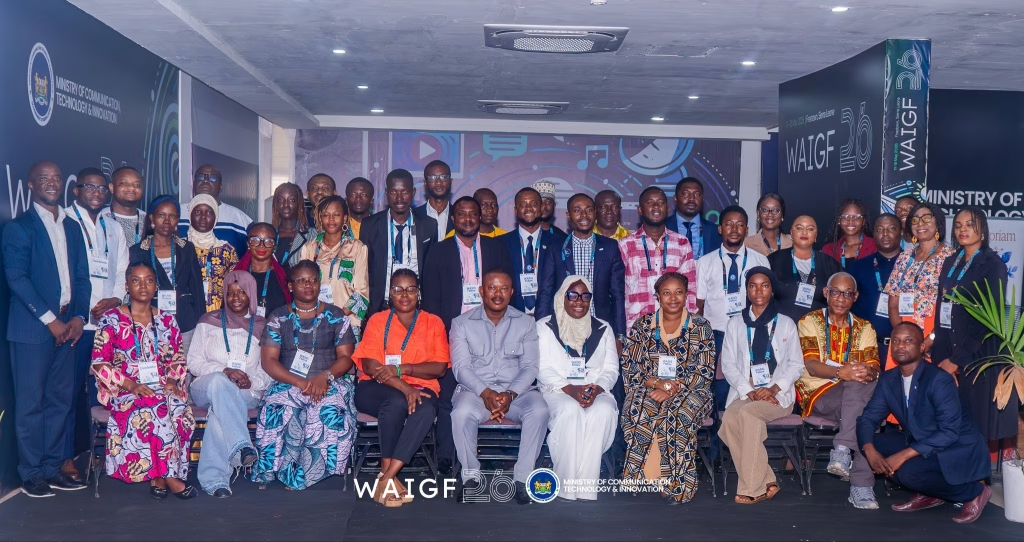
Since its establishment in 2018, WASIG has trained more than 1,600 participants across all 15 ECOWAS member states, positioning it as one of the region’s most consistent platforms for developing internet governance capacity. Over the years, the training has been hosted across West Africa, including a virtual edition in 2022 to expand access, followed by Abuja, Nigeria in 2025, and now Freetown, Sierra Leone in 2026 with over 30 participants with representatives from Benin, Burkina Faso, Cabo Verde, Côte d’Ivoire, Ghana, Guinea, Guinea-Bissau, Liberia, Mali, Niger, Nigeria, Senegal, The Gambia, Togo, and Sierra Leone.
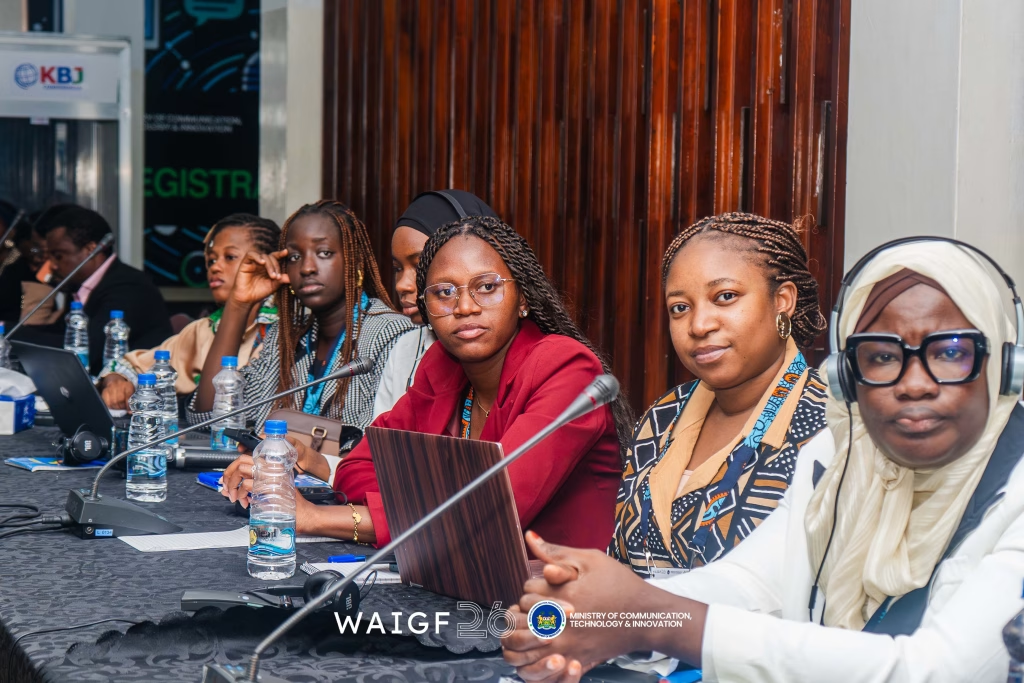
Beyond training, WASIG has increasingly functioned as a regional capacity pipeline linking technical knowledge with policy engagement. Alumni of the programme have continued to participate in national and regional internet governance forums, contribute to multi-stakeholder consultations, and engage in discussions on emerging digital policy issues within their respective countries. This growing network shows the program’s role in strengthening not only individual skills, but also broader institutional and regional readiness to respond to complex digital governance challenges.
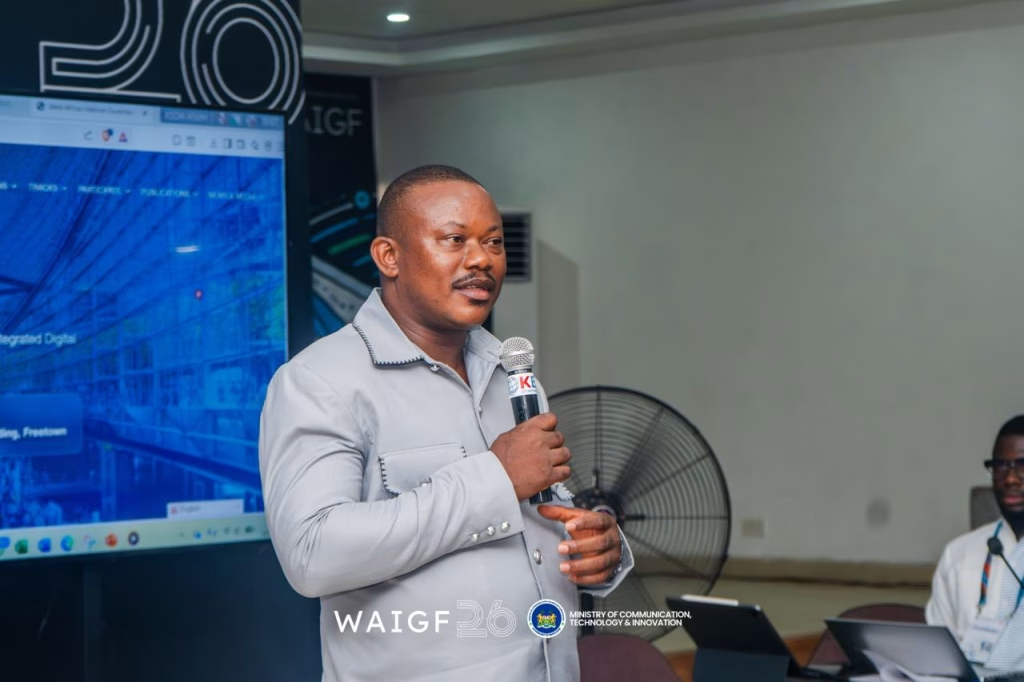
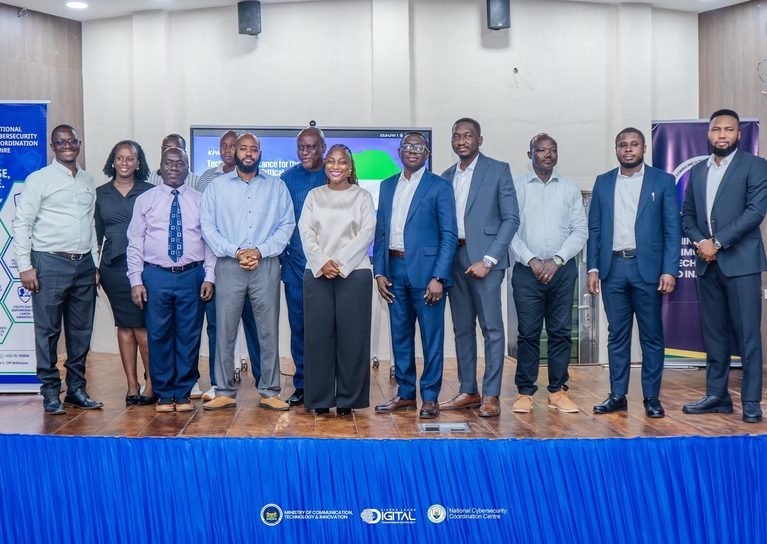
At the same time, the training addresses a persistent structural gap in West Africa; the limited availability of professionals who can translate fast-evolving digital issues such as artificial intelligence governance, cybersecurity risks, platform regulation, and digital sovereignty into practical policy decisions. This year’s edition continues training in Digital Sovereignty Frameworks, AI Governance and Accountability, Cybersecurity and Digital Resilience, Platform Regulation, and Internet Policy Literacy, with a focus on strengthening both technical competence and policy engagement among participants.The opening session in Freetown brought together senior government officials and regional stakeholders. Representing the Ministry of Communication, Technology and Innovation, the host ministry for this year’s event, were the Permanent Secretary, Mr. Stevenson Kakpaetae Kamanda, the Director of Policy, Research, Planning and Compliance, James Cobba and the Deputy Director, Policy, Research, Planning and Compliance, Aminata Irene Tholley alongside regional coordinators Emmanuel Elolo Agenonwossi and Folatanmi Umaru.
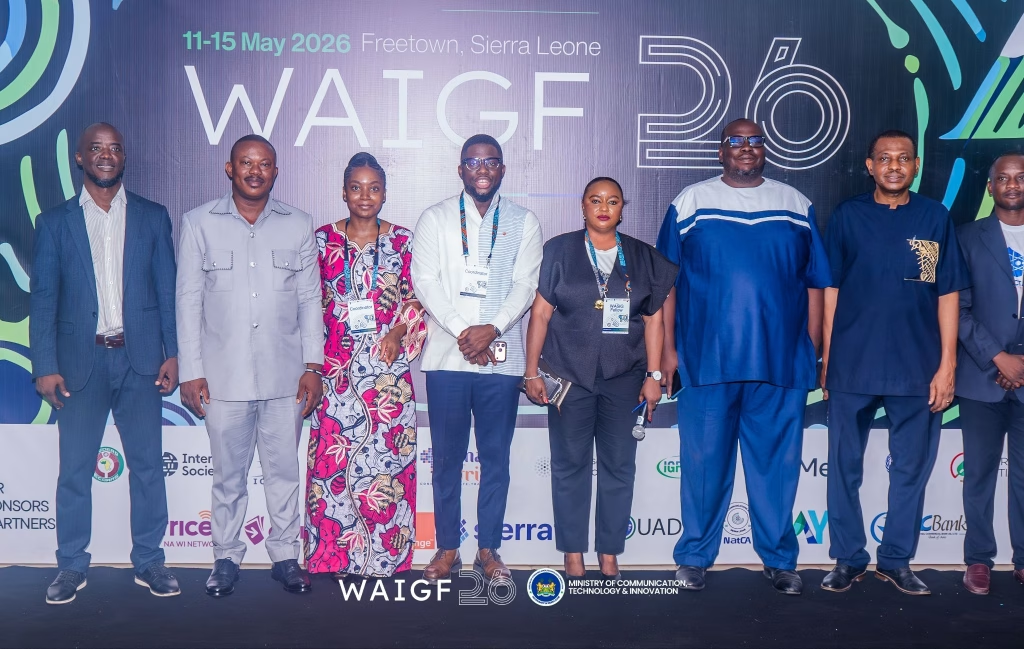
The school will continue with further technical sessions and stakeholder engagements ahead of the Youth Participation Event, which will provide young people with a structured platform to contribute to discussions on digital rights, innovation, online safety, and regional digital corporations in West Africa.
For eight years, West Africa has been sending its best digital thinkers to a school most people outside the region have never heard of. This week, that school is in Freetown.
WASIG is the room where a cybersecurity officer from Niger and a civil society lawyer from Ghana spend five days figuring out why they keep talking past each other when AI regulation comes up. Since 2018, more than 1,600 people across all 15 ECOWAS member states have passed through it.
The problem WASIG is built to solve is specific. West Africa is making consequential decisions about artificial intelligence, platform regulation, and digital sovereignty, and it is doing so with too few people in the room who understand both the technical architecture and the policy stakes. That gap is getting more expensive every year.
This year’s edition, hosted by Sierra Leone’s Ministry of Communication, Technology and Innovation, runs training across five areas: digital sovereignty frameworks, AI governance, cybersecurity resilience, platform regulation, and internet policy literacy. Over 30 participants have gathered from all 15 ECOWAS member states.
The 1,600 people trained since 2018 didn’t leave with certificates collecting dust. Many went back and became the person their colleagues called when a digital governance question needed an actual answer, contributing to national forums, informing multi-stakeholder consultations, and and shaping policy conversations that didn’t exist when they first enrolled. A network built one trained person at a time is still a network.
The Freetown opening brought together Permanent Secretary Stevenson Kakpaetae Kamanda and senior ministry officials alongside regional coordinators Emmanuel Elolo Agenonwossi and Folatanmi Umaru. The school continues through further technical sessions and a youth participation event focused on digital rights, innovation, and online safety across the region.